
Learn Hybrid Systems
2 expert-rated courses covering Hybrid Systems. Compared by rating, price, difficulty, and job relevance so you can pick the right one.
Demand for Hybrid Systems skills is surging as industries invest in automation, optimization, and advanced control technologies. Professionals with Hybrid Systems expertise can earn 15-30% higher salaries compared to peers, and the global market is projected to grow 20% annually through 2026. Complementary skills like Reinforcement Learning, Optimization, and Embedded Systems pair well with Hybrid Systems.
Catalog analysis updated . Ratings are independent editorial scores. Read the rating methodology.
Key Facts About Hybrid Systems
- 1Hybrid Systems integrate continuous variables (e.g. temperature, velocity) and discrete variables (e.g. on/off states, failure modes).
- 2Key techniques in Hybrid Systems include hybrid automata, switched systems, and mixed integer programming.
- 3Applications of Hybrid Systems include self-driving cars, smart power grids, robotic surgery, and industrial process control.
- 4Hybrid Systems theory has roots in control theory, computer science, and applied mathematics dating back to the 1990s.
- 5The two main commercial software tools for Hybrid Systems modeling and analysis are MATLAB/Simulink and Ptolemy II.
Top Hybrid Systems Courses

Complete Quantum Computing Course
Comprehensive quantum computing course from Packt covering quantum algorithms, Qiskit programming, and hybrid classical-quantum systems.
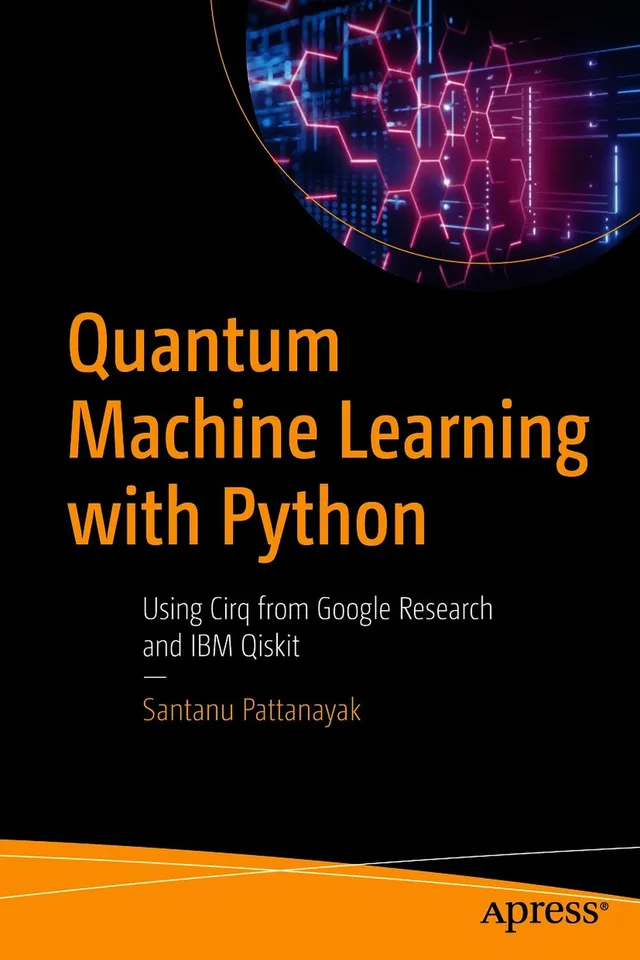
Quantum Computing & Quantum Machine Learning with Python
Master quantum computing and quantum machine learning using Python and Qiskit. Build quantum circuits, implement quantum algorithms, and explore quantum ML.
Pro Tips for Learning Hybrid Systems
- #1Supplement course material with hands-on projects using open-source tools like TensorFlow, PyTorch, and CasADi.
- #2Seek out internships or entry-level roles at companies pioneering Hybrid Systems, like Tesla, ABB, and GE.
- #3Pursue certifications in Hybrid Systems, Control Theory, and Embedded Systems to validate your skills.
- #4Stay up-to-date on the latest Hybrid Systems research and applications by following academic journals and industry blogs.
Why Learn Hybrid Systems?
- Develop expertise in an in-demand, cross-disciplinary field with applications across high-tech industries.
- Gain competitive advantage by mastering advanced control techniques like model predictive control and switched systems.
- Unlock high-impact roles in automation, optimization, and the design of cyber-physical systems.
- Contribute to the development of transformative technologies like autonomous vehicles and smart infrastructure.