
Learn HIPAA
2 expert-rated courses covering HIPAA. Compared by rating, price, difficulty, and job relevance so you can pick the right one.
HIPAA skills are required for healthcare roles like medical assistants, registered nurses, and health information managers. Certified HIPAA professionals earn 18% more on average, and demand is projected to grow 13% by 2026 as telehealth and electronic records become ubiquitous.
Catalog analysis updated . Ratings are independent editorial scores. Read the rating methodology.
Key Facts About HIPAA
- 1HIPAA was enacted in 1996 to establish national standards for electronic healthcare transactions and protect sensitive patient data.
- 2HIPAA covers protected health information (PHI) in any form - electronic, written, or oral - and applies to all "covered entities" that handle PHI.
- 3Penalties for HIPAA violations range from $100 to $50,000 per violation, with a maximum of $1.5 million per year for each violation category.
- 4The 5 main HIPAA rules are the Privacy Rule, Security Rule, Breach Notification Rule, Enforcement Rule, and the Omnibus Rule.
- 5Covered entities under HIPAA include healthcare providers, health plans, healthcare clearinghouses, and business associates that interact with PHI.
Top HIPAA Courses
Medical Billing Coding Essentials
Learn the complete medical billing and coding workflow from patient registration to claims submission. Develop practical skills in insurance verification, code selection, and compliance requirements for healthcare revenue management.
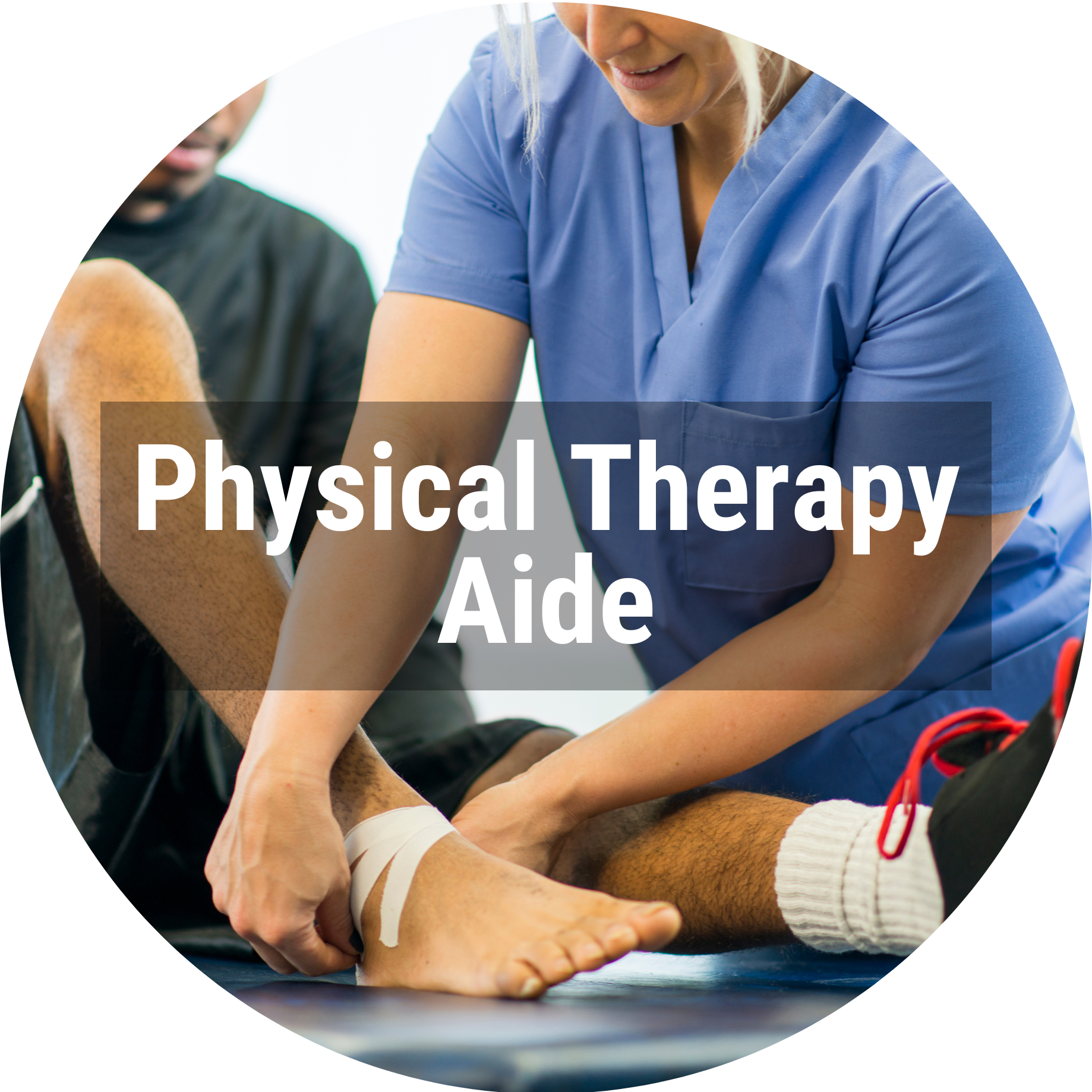
Physical Therapy Aide Training
Build the clinical skills employers demand in this hands-on, practice-focused course. Physical therapy aide training covering therapeutic exercises, modality application, patient transfers, treatment area setup, and documentation for rehabilitation clinics. Whether you're starting fresh or advancing your career, this training provides the foundation and credentials to move forward with confidence.
Pro Tips for Learning HIPAA
- #1Focus on understanding the 5 main HIPAA rules and how they apply to different healthcare scenarios.
- #2Complement your HIPAA training with courses on medical terminology, electronic health records, and data privacy laws.
- #3Obtain hands-on experience by completing a HIPAA-focused internship or project-based course.
Why Learn HIPAA?
- Avoid costly HIPAA violations and protect patient privacy as a healthcare professional.
- Demonstrate your commitment to data security and regulatory compliance in the medical field.
- Increase your marketability and earning potential with an in-demand HIPAA certification.