
Learn Evidence Collection
2 expert-rated courses covering Evidence Collection. Compared by rating, price, difficulty, and job relevance so you can pick the right one.
Professionals in criminal justice, forensic science, and private investigation rely on evidence collection skills to support their work. Data from the U.S. Bureau of Labor Statistics shows a projected 14% growth in demand for forensic science technicians by 2026, with a median annual salary of $60,590. Complementing evidence collection with data analysis and problem-solving skills can further boost career prospects.
Catalog analysis updated . Ratings are independent editorial scores. Read the rating methodology.
Key Facts About Evidence Collection
- 1The 3 key steps in evidence collection are identification, preservation, and documentation.
- 2Common types of physical evidence include fingerprints, DNA samples, weapons, and trace materials.
- 3Proper evidence collection and chain of custody procedures are critical for admissibility in legal proceedings.
- 4Certified training in evidence collection is required for roles such as crime scene investigator and forensic technician.
- 5Evidence collection skills are also applicable in accident investigations, corporate fraud cases, and national security contexts.
Available on
Top Evidence Collection Courses
Crime Scene Investigation and Forensics
Prepare to save lives and protect communities with this critical, scenario-driven course. Forensic science covering crime scene processing, evidence collection, fingerprint analysis, DNA basics, digital forensics, and chain of custody procedures. Created by veterans of emergency services - instructors who have responded to the calls and know what it takes to succeed.
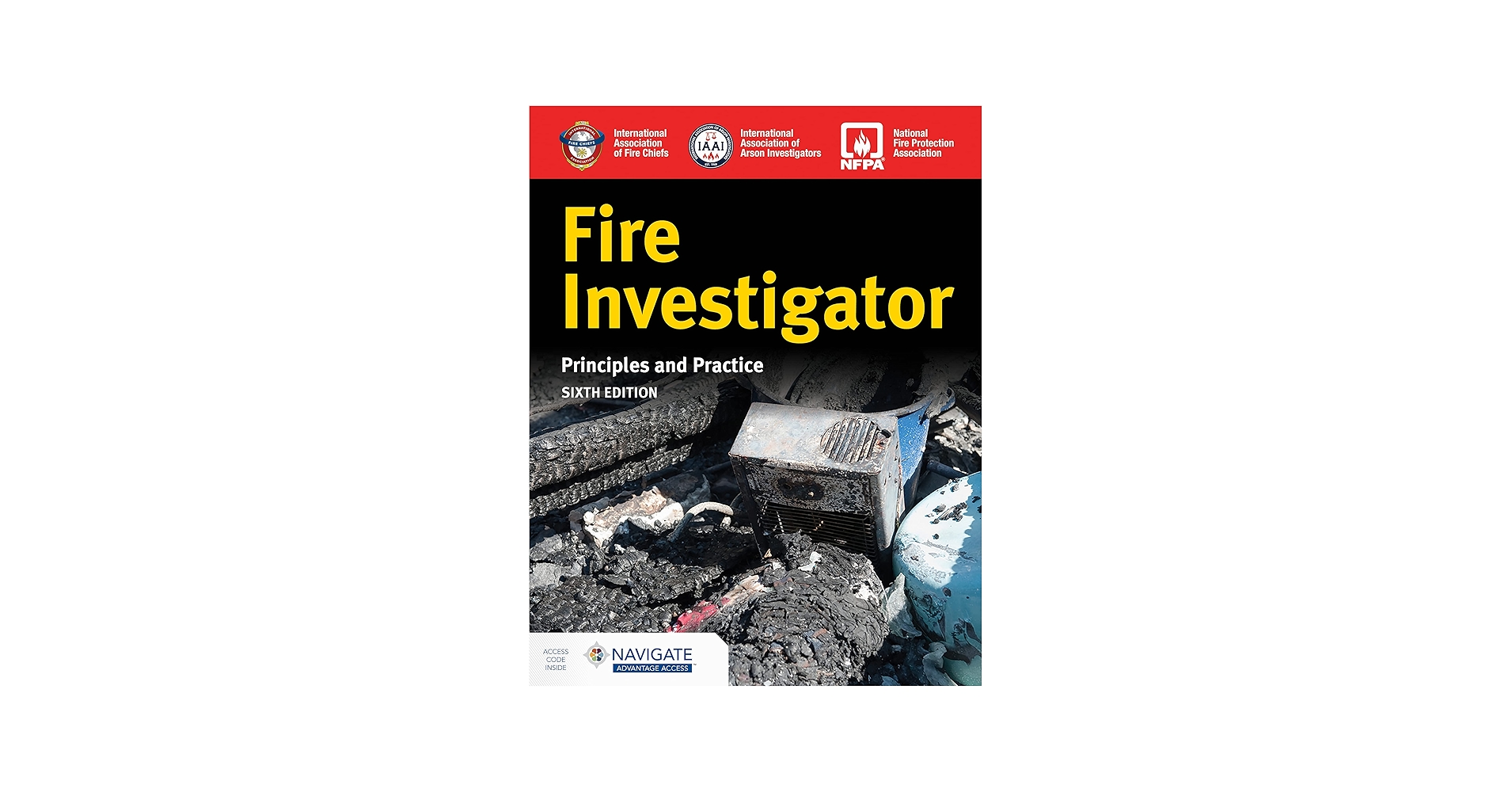
Fire Investigation and Arson Analysis
Build the foundation for a rewarding career in public safety through this rigorous course. Fire investigation science covering fire origin determination, burn pattern analysis, evidence collection, arson indicators, laboratory analysis, and expert testimony preparation. Includes realistic scenario training, protocol drills, and certification preparation designed by active-duty professionals.
Pro Tips for Learning Evidence Collection
- #1Familiarize yourself with standard evidence collection protocols and best practices.
- #2Develop strong attention to detail, problem-solving, and critical thinking abilities.
- #3Gain hands-on experience through internships, volunteer work, or entry-level roles.
- #4Consider pursuing certifications or advanced training in specialized evidence collection techniques.
Why Learn Evidence Collection?
- Develop in-demand forensic skills to support careers in law enforcement, legal services, or private investigation.
- Gain practical expertise in systematically identifying, collecting, and preserving physical evidence.
- Enhance your ability to provide compelling, data-driven insights to support criminal cases or civil litigation.
- Differentiate your skillset and increase your earning potential in the growing field of forensic science.