
All Skills
Skill
Learn Forensics
1 expert-rated courses covering Forensics. Compared by rating, price, difficulty, and job relevance so you can pick the right one.
Forensics is a sought-after skill across a variety of industries, including law enforcement, private investigation firms, and government agencies. Professionals with expertise in Forensics can command higher salaries, with the average forensic scientist earning over $60,000 per year in the United States. The Bureau of Labor Statistics predicts a 14% increase in demand for forensic science technicians by 2026, driven by advancements in forensic technology and the need for specialized investigative skills.
Forensics is the application of scientific methods and techniques to investigate criminal cases and gather evidence. As technology and data continue to play an increasingly crucial role in law enforcement and criminal justice, the demand for skilled forensic professionals is projected to grow significantly by 2026. SkillsetCourse.com currently offers 1 expert-rated course in Forensics, providing learners with the opportunity to develop specialized skills in areas like crime scene analysis, evidence collection, and forensic reporting.
1
Courses
8.5/10
Avg Rating
0
Free Options
1
With Certificate
Key Facts About Forensics
- 1Forensics encompasses a wide range of scientific disciplines, including toxicology, ballistics, fingerprinting, and DNA analysis.
- 2The field of Forensics relies heavily on the use of advanced technologies, such as 3D scanning, digital imaging, and database management software.
- 3Forensic professionals are responsible for collecting, analyzing, and preserving physical evidence from crime scenes, which can then be used to support criminal investigations and court proceedings.
- 4Accurate and meticulous record-keeping is a critical component of Forensics, as forensic reports and documentation are often used as expert testimony in legal proceedings.
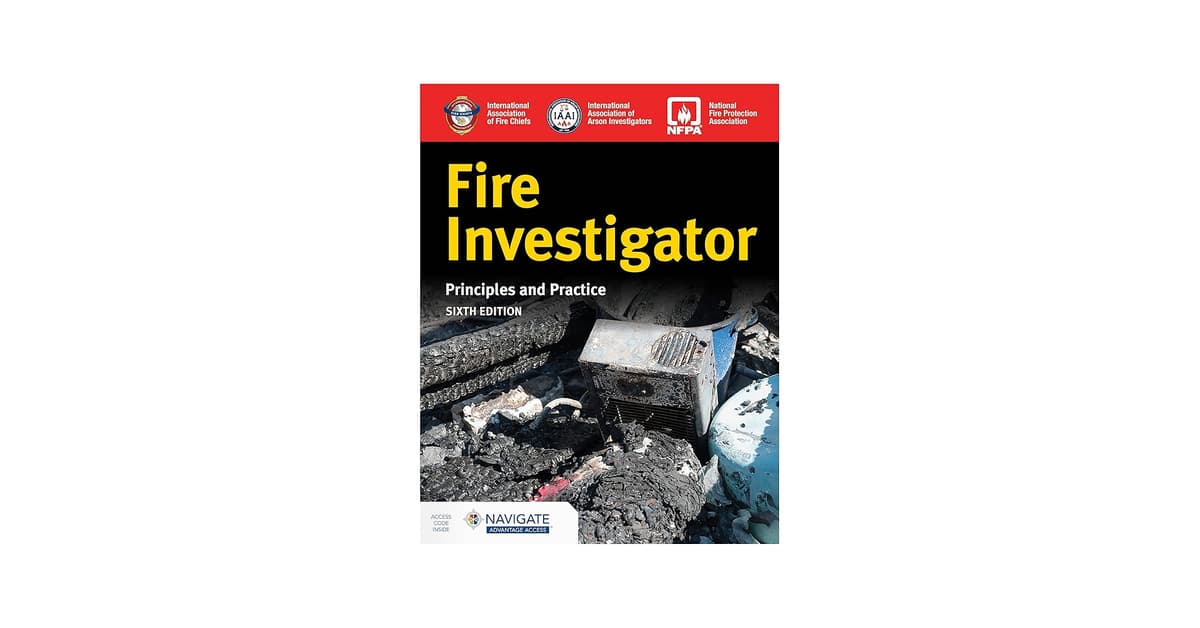
- 5The University of New Haven offers a highly-rated course on "Fire Investigation and Arson Analysis" through the edX platform, providing learners with specialized skills in fire scene analysis and arson investigation.
Available on
Top Forensics Courses
Pro Tips for Learning Forensics
- #1Seek out hands-on training opportunities, such as internships or shadowing programs, to gain practical experience in Forensics.
- #2Stay up-to-date with the latest advancements in forensic science by attending industry conferences, workshops, and continuing education courses.
- #3Develop a strong foundation in scientific principles, data analysis, and attention to detail, as these are essential skills for success in Forensics.
- #4Consider specializing in a specific area of Forensics, such as digital forensics, ballistics, or bloodstain pattern analysis, to become an expert in your field.
Why Learn Forensics?
- Develop specialized investigative skills to support law enforcement and the criminal justice system.
- Gain expertise in the latest forensic technologies and analytical techniques, making you a valuable asset in a variety of industries.
- Contribute to the resolution of complex criminal cases and help bring perpetrators to justice.
- Pursue a fulfilling career in a field that combines scientific knowledge with critical thinking and problem-solving abilities.
Frequently Asked Questions
How to learn Forensics for free?▾
While SkillsetCourse.com does not currently offer any free Forensics courses, there are several online resources available for learning the basics of Forensics, such as educational videos, podcasts, and articles. Additionally, many universities and colleges offer introductory Forensics courses that may be eligible for financial aid or scholarships.
Best Forensics courses for beginners?▾
The "Fire Investigation and Arson Analysis" course offered by the University of New Haven on the edX platform is a great starting point for beginners interested in Forensics. This course provides a comprehensive introduction to the field, covering topics like fire scene analysis, evidence collection, and arson investigation techniques.
Is Forensics hard to learn?▾
Forensics is a complex and multifaceted field that requires a strong foundation in scientific principles, analytical thinking, and attention to detail. While the learning curve can be steep, with dedication and persistence, it is possible for motivated individuals to acquire the necessary skills and knowledge to succeed in Forensics.
How long to learn Forensics?▾
The time required to learn Forensics can vary depending on the individual's prior experience and the depth of knowledge they wish to acquire. A typical Forensics certificate program can be completed in 6-12 months, while a bachelor's degree in Forensic Science or a related field can take 4 years. Ongoing professional development and continuing education are also essential for staying current in this rapidly evolving field.
Forensics salary 2026?▾
According to the Bureau of Labor Statistics, the average annual salary for forensic science technicians in the United States is expected to reach over $60,000 by 2026. Factors such as specialized expertise, industry experience, and geographic location can significantly impact earning potential in the Forensics field.
What are the top industries hiring for Forensics?▾
Forensics professionals are in high demand across a variety of industries, including law enforcement agencies, private investigation firms, government agencies, and scientific research laboratories. Careers in Forensics can also be found in the healthcare and insurance sectors, where forensic expertise is valuable for investigating claims and analyzing medical evidence.