
Learn Electrical Systems
2 expert-rated courses covering Electrical Systems. Compared by rating, price, difficulty, and job relevance so you can pick the right one.
Electrical Systems expertise is in high demand for roles like Electrician, Electrical Engineer, Electrical Technician, and Automation Specialist. The average salary for Electrical Systems-related jobs is projected to increase by 8% by 2026, outpacing the national average. Employers value this skill set for its critical importance in ensuring efficient, safe, and reliable electrical infrastructure.
Catalog analysis updated . Ratings are independent editorial scores. Read the rating methodology.
Key Facts About Electrical Systems
- 1Electrical Systems involve the design, installation, and maintenance of power generation, distribution, and control systems.
- 2Key components of Electrical Systems include wiring, circuit breakers, transformers, motors, generators, and control devices.
- 3Proficiency in reading and interpreting electrical schematics, diagrams, and blueprints is essential for Electrical Systems experts.
- 4Industry-standard tools for Electrical Systems work include multimeters, wire strippers, crimping tools, and power tools.
- 5Electrical Systems knowledge is crucial for roles across industries like construction, manufacturing, transportation, and energy.
Available on
Top Electrical Systems Courses
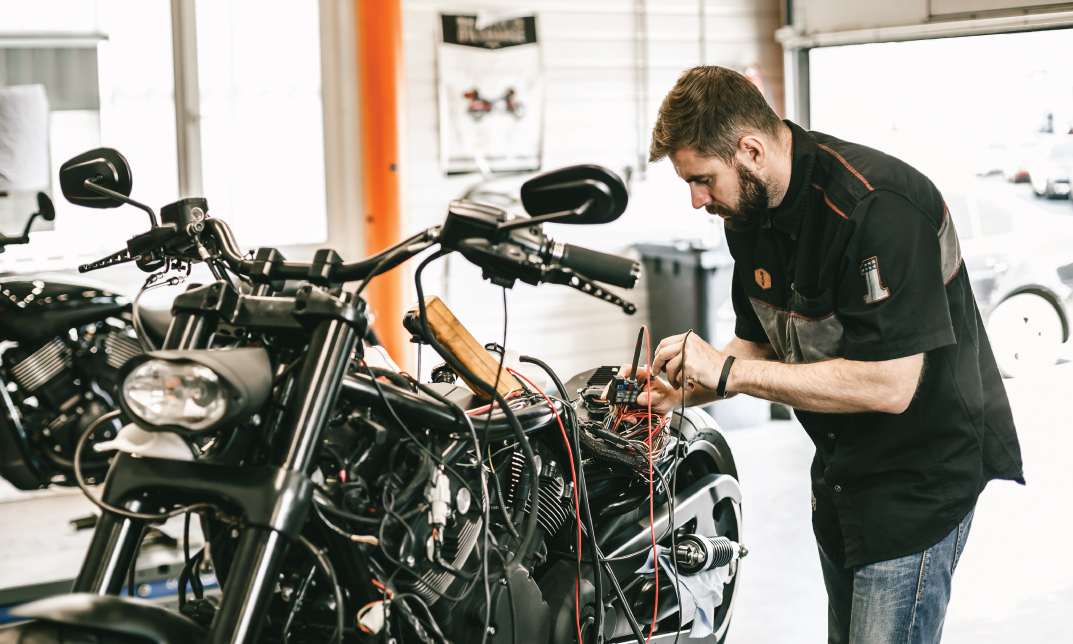
Motorcycle Mechanic and Repair Course
Master the hands-on skills that power America's infrastructure in this practical, project-driven course. Motorcycle repair training covering engine rebuilding, carburetor tuning, electrical systems, suspension setup, brake service, and motorcycle diagnostics. Designed to prepare you for licensing exams and immediate employment - with the practical skills that set journeymen apart from apprentices.
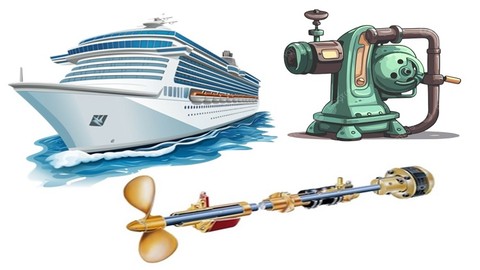
Marine Engine Mechanic Fundamentals
Build job-ready skills that employers actually hire for in this industry-standard course. Marine engine repair covering inboard and outboard motors, marine diesel systems, marine electrical, cooling systems, and boat maintenance fundamentals. Combines technical theory with hands-on exercises that mirror actual work conditions. Includes detailed demonstrations, safety protocols, and real-world project walkthroughs that mirror actual job site conditions.
Pro Tips for Learning Electrical Systems
- #1Start with foundational courses covering electrical theory, safety, and basic circuits.
- #2Practice hands-on skills through projects and labs to reinforce your learning.
- #3Stay updated with the latest technologies, industry standards, and safety regulations.
Why Learn Electrical Systems?
- Gain a versatile and in-demand skill set for a wide range of industries and career paths.
- Develop the ability to troubleshoot, repair, and maintain critical electrical infrastructure.
- Increase your earning potential with the projected growth in Electrical Systems-related job opportunities.