
Learn Brake Systems
2 expert-rated courses covering Brake Systems. Compared by rating, price, difficulty, and job relevance so you can pick the right one.
Brake Systems knowledge is vital for careers as an auto mechanic, heavy equipment technician, and aerospace maintenance technician. Professionals with this skill can expect a 12-15% salary boost over their peers. As electric and self-driving cars become mainstream, demand for Brake Systems experts is projected to grow 18% by 2026.
Catalog analysis updated . Ratings are independent editorial scores. Read the rating methodology.
Key Facts About Brake Systems
- 1The 4 main components of a brake system are calipers, brake pads, brake rotors, and brake fluid.
- 2Brake pads use friction to convert the kinetic energy of a moving vehicle into heat, which slows the wheel rotation.
- 3Brake rotors are the metal discs attached to the wheel hubs that the brake pads clamp down on.
- 4Brake fluid is a hydraulic fluid that transfers force from the brake pedal to the brake calipers.
- 5Anti-lock braking systems (ABS) prevent wheel lockup during emergency braking by modulating brake pressure.
Available on
Top Brake Systems Courses
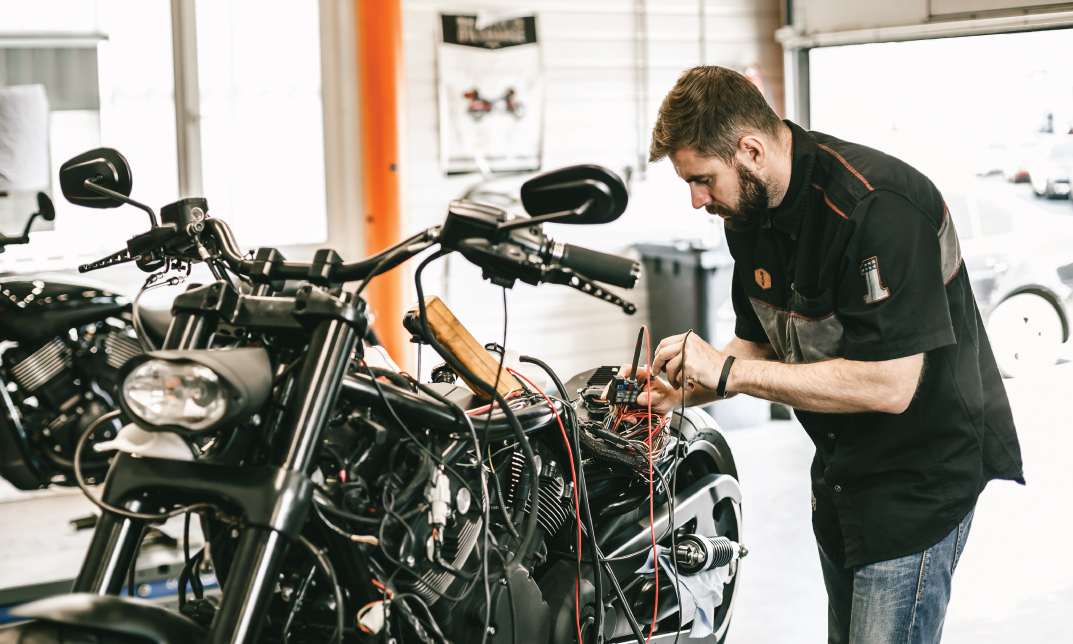
Motorcycle Mechanic and Repair Course
Master the hands-on skills that power America's infrastructure in this practical, project-driven course. Motorcycle repair training covering engine rebuilding, carburetor tuning, electrical systems, suspension setup, brake service, and motorcycle diagnostics. Designed to prepare you for licensing exams and immediate employment - with the practical skills that set journeymen apart from apprentices.
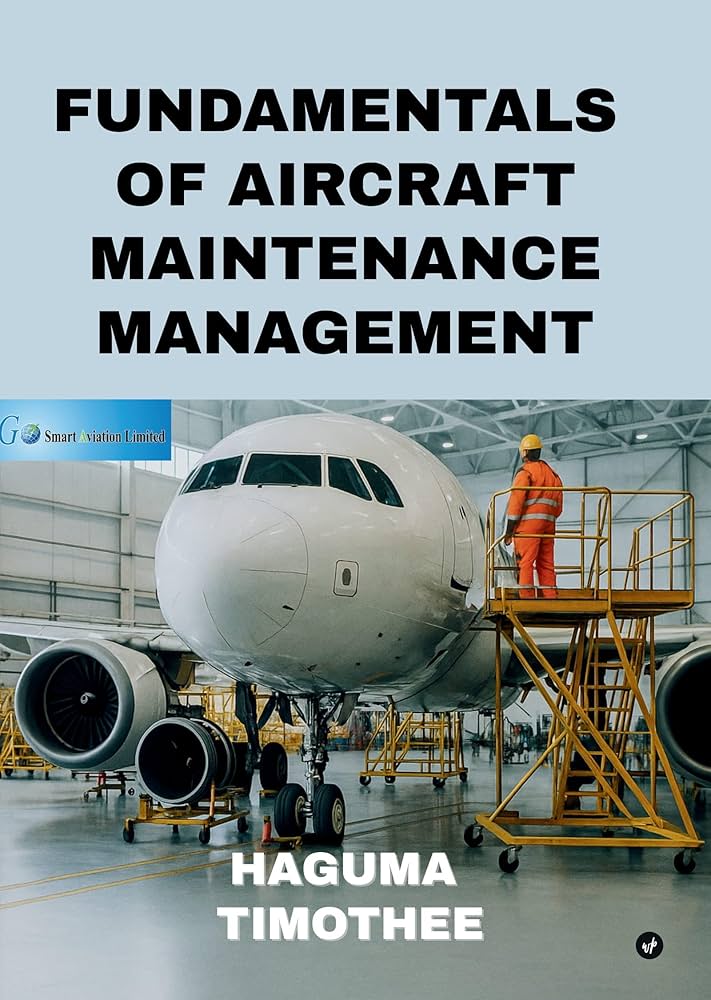
Aircraft Maintenance Technician Fundamentals
Gain the technical expertise and professional knowledge needed to excel in this comprehensive course. Aviation maintenance covering aircraft systems, powerplant operations, structural repair, avionics basics, inspection procedures, and A&P certification preparation. Features code-compliant techniques, material selection guides, and troubleshooting strategies you can apply immediately on the job.
Pro Tips for Learning Brake Systems
- #1Start with a course covering brake system components and their functions before moving to advanced topics like ABS and brake bleeding.
- #2Practice identifying common brake issues like worn pads, warped rotors, and low fluid levels through hands-on training.
- #3Obtain ASE or IAME certification to demonstrate your mastery of Brake Systems and maximize your career opportunities.
Why Learn Brake Systems?
- Master the fundamentals of how modern vehicle braking systems work, from basic hydraulics to advanced ABS technology.
- Become a sought-after technician for servicing and repairing brakes on cars, trucks, motorcycles, and heavy equipment.
- Gain skills applicable across the transportation industry, from automotive to aerospace maintenance.