
Learn clean-energy
2 expert-rated courses covering clean-energy. Compared by rating, price, difficulty, and job relevance so you can pick the right one.
Professionals with Clean Energy expertise are in high demand across the renewable energy, utilities, sustainability, and environmental engineering industries. Clean Energy skills can boost salaries by up to 30% and job growth in this field is projected at 8% annually through 2026. Complementary skills like data analysis, project management, and policy knowledge also pair well with Clean Energy expertise.
Catalog analysis updated . Ratings are independent editorial scores. Read the rating methodology.
Key Facts About clean-energy
- 1The global Clean Energy market is expected to reach $1.1 trillion by 2026, growing at a CAGR of 6.4% from 2021.
- 2Renewable energy sources like solar and wind now account for over 30% of global electricity generation.
- 3The average salary for a Clean Energy engineer in the United States is $102,000 per year.
- 4Clean Energy jobs in the US grew 2.5 times faster than the overall economy between 2015-2020.
- 5The top 3 countries for Clean Energy investment and adoption are China, the United States, and India.
Top clean-energy Courses
Renewable Energy Technology Fundamentals
Gain comprehensive knowledge of renewable energy technologies including solar, wind, hydro, geothermal, and biomass systems. Understand the principles, advantages, limitations, and applications of each technology in the global energy landscape.
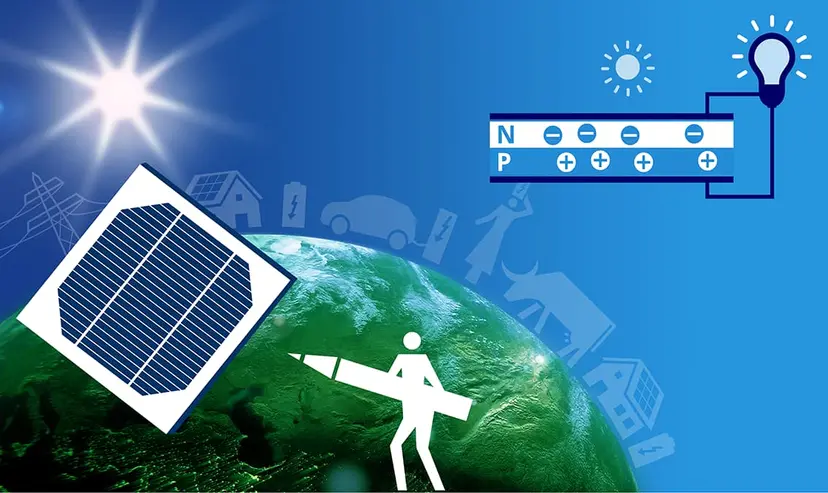
Renewable Energy Engineering and Policy
Develop expertise in sustainable practices that protect our planet with this science-based course. Renewable energy systems covering solar PV design, wind energy, battery storage, grid integration, energy policy, and project development for the clean energy transition. Integrates scientific principles with practical skills, so you can make informed decisions and see measurable results from day one.
Pro Tips for Learning clean-energy
- #1Start with a broad overview course to understand the landscape, then specialize in a technology like solar or wind.
- #2Supplement online learning with hands-on projects, internships, or certifications to build a strong portfolio.
- #3Keep up with the latest Clean Energy policy changes, innovations, and market trends through industry publications.
- #4Network with Clean Energy professionals and get involved with relevant professional associations.
Why Learn clean-energy?
- Develop in-demand skills to work in the rapidly-growing renewable energy industry.
- Gain expertise to help organizations meet sustainability and decarbonization goals.
- Earn a higher salary and have more job opportunities as Clean Energy becomes a global priority.
- Contribute to the transition to a low-carbon economy and fight climate change.