
Learn Bread Baking
2 expert-rated courses covering Bread Baking. Compared by rating, price, difficulty, and job relevance so you can pick the right one.
Bread Baking is a highly sought-after skill in the food service and hospitality industries, with bakers and bakery managers commanding average salaries of $40,000-$60,000 per year. As the popularity of specialty breads and artisanal baked goods continues to grow, demand for qualified Bread Baking professionals is projected to rise by 8% by 2026. Complementary skills like Food Science, Culinary Arts, and Business Management further enhance career opportunities.
Catalog analysis updated . Ratings are independent editorial scores. Read the rating methodology.
Key Facts About Bread Baking
- 1Bread Baking involves the precise combination of ingredients like flour, yeast, water, and salt to create a wide variety of breads, pastries, and other baked goods.
- 2There are over 150 different types of bread worldwide, each with unique flavors, textures, and baking methods.
- 3The global bread and bakery products market is valued at over $550 billion and is expected to grow at a CAGR of 4.5% through 2026.
- 4Proper Bread Baking technique requires in-depth knowledge of topics like fermentation, gluten development, and oven temperature control.
- 5Artisan Bread Baking skills can lead to careers as professional bakers, pastry chefs, bakery managers, and even food entrepreneurs.
Top Bread Baking Courses
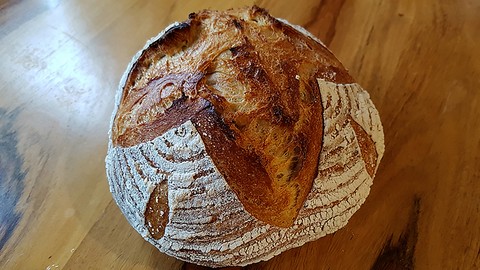
Artisan Bread Baking and Pastry Arts
Master the craft that separates home cooks from industry professionals in this course. Artisan bread baking and pastry fundamentals. Covers sourdough, laminated doughs, French pastry techniques, chocolate work, and cake decorating. Includes recipe development, plating techniques, and kitchen management practices used in restaurants, hotels, and catering operations.

Wine and Beverage Professional Certification
Build a career in the hospitality industry with this industry-recognized course. Sommelier-level wine education covering grape varieties, wine regions, tasting methodology, food pairing, cellar management, and beverage program administration. Features food safety certification prep, cost control methods, and menu engineering strategies that protect your margins and reputation.
Pro Tips for Learning Bread Baking
- #1Start with basic yeast breads and gradually build your skills by experimenting with different flours, fermentation techniques, and baking methods.
- #2Invest in essential baking equipment like a reliable oven, digital scale, and specialized tools for shaping and scoring dough.
- #3Learn to identify the signs of properly proofed dough, properly baked crust, and other visual cues to ensure consistent, high-quality results.
- #4Seek out hands-on training or mentorship from experienced professional bakers to accelerate your skill development.
Why Learn Bread Baking?
- Develop valuable culinary skills that are in high demand across industries like hospitality, food service, and specialty retail.
- Gain the ability to create unique, high-quality baked goods that can be monetized through personal baking businesses or gourmet food products.
- Enhance your creativity and passion for food by mastering the art of crafting delicious breads, pastries, and other baked treats.
- Qualify for well-paying careers as professional bakers, bakery managers, or artisanal food producers.