
All Skills
Skill
Learn Apiculture
1 expert-rated courses covering Apiculture. Compared by rating, price, difficulty, and job relevance so you can pick the right one.
Apiculture skills are in high demand across industries like agriculture, food manufacturing, and environmental science. Beekeepers can earn an average salary uplift of 15-20% compared to non-specialized roles, and job growth is projected at 8-10% annually through 2026 as the global bee population faces threats. Complementary skills like botany, entomology, and sustainable farming practices pair well with Apiculture expertise.
Apiculture is the science and practice of beekeeping, the cultivation and management of honeybee colonies. In 2026, this skill will be increasingly valuable as global demand for honey and other bee products rises, and companies seek experts to maintain healthy hives. SkillsetCourse.com currently lists 1 expert-rated online course to master Apiculture, with key applications in agriculture, environmental conservation, and food production.
1
Courses
8.1/10
Avg Rating
0
Free Options
1
With Certificate
Catalog analysis updated . Ratings are independent editorial scores. Read the rating methodology.
Key Facts About Apiculture
- 1There are over 20,000 known species of bees worldwide, with the domesticated Western honeybee being the most widely managed for Apiculture.
- 2A single honeybee colony can produce up to 60 pounds of honey per year, though average yields are closer to 20-30 pounds.
- 3Bees pollinate over 75% of flowering plants and crops, contributing an estimated $15-20 billion annually to US agriculture.
- 4Apiculture requires understanding bee anatomy, behavior, colony dynamics, and effective hive management techniques.
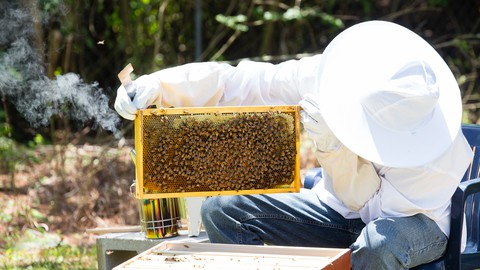
- 5Common Apiculture equipment includes protective gear, smokers, honey extraction tools, and specialized hive components.
Available on
Top Apiculture Courses
Pro Tips for Learning Apiculture
- #1Start with an online Apiculture course to build a strong foundation in bee biology, hive management, and honey harvesting.
- #2Seek out mentorship from experienced local beekeepers to gain practical, context-specific skills.
- #3Invest in high-quality protective equipment and keep your hives meticulously maintained for optimal bee health.
- #4Stay up-to-date on the latest Apiculture research, regulations, and sustainable practices through industry publications and conferences.
Why Learn Apiculture?
- Become an in-demand specialist in a growing, purpose-driven field that supports sustainable agriculture and environmental conservation.
- Earn higher compensation and career advancement opportunities in roles like commercial beekeeper, apiary manager, or agricultural consultant.
- Develop expertise in managing complex natural systems and gain hands-on experience working with live insects.
- Contribute to addressing global threats to bee populations and food security through ethical, science-based beekeeping practices.
Frequently Asked Questions
How to learn Apiculture for free?▾
While comprehensive Apiculture courses typically require a tuition fee, there are many free online resources to get started. Look for introductory videos, articles, and community forums to learn about bee biology, hive setup, and basic beekeeping techniques at no cost.
Best Apiculture courses for beginners?▾
SkillsetCourse.com recommends the "Beekeeping Masterclass: From Hive to Harvest" course on Udemy, rated 9.5/10 by expert reviewers. This comprehensive 12-hour program covers all the fundamentals for new beekeepers, from equipment and colony management to honey extraction and disease prevention.
Is Apiculture hard to learn?▾
Apiculture does require a significant time investment to master, as it involves understanding complex bee biology, colony dynamics, and nuanced hive management techniques. However, with the right training resources and hands-on practice, most dedicated learners can develop the necessary skills within 6-12 months.
How long to learn Apiculture?▾
The timeline to become proficient in Apiculture can vary widely based on prior experience, access to mentorship, and the scope of your learning goals. Many aspiring beekeepers can gain a solid operational understanding within 3-6 months through an online course and some hands-on practice. Achieving advanced expertise may take 1-2 years of continuous learning and on-site hive management.
Apiculture salary 2026?▾
According to industry projections, the average salary for skilled Apiculture professionals is expected to rise by 15-20% by 2026, as global demand for honey and other bee products continues climbing. Commercial beekeepers, apiary managers, and agricultural consultants with Apiculture expertise can earn anywhere from $50,000 to over $80,000 per year, depending on location and experience level.
What jobs use Apiculture skills?▾
Apiculture skills are highly valuable across a range of industries, including commercial agriculture, food manufacturing, environmental conservation, and scientific research. Common job titles for Apiculture experts include commercial beekeeper, apiary manager, agricultural consultant, pollination service provider, and bee biologist or entomologist.