
All Skills
Skill
Learn Musculoskeletal
1 expert-rated courses covering Musculoskeletal. Compared by rating, price, difficulty, and job relevance so you can pick the right one.
Professionals with strong musculoskeletal expertise are in high demand across healthcare, sports medicine, rehabilitation, and occupational safety. An advanced musculoskeletal qualification can boost salaries by 15-20% and improve hiring prospects, especially as the global musculoskeletal treatment market is projected to grow 6.2% annually through 2026. Combining musculoskeletal skills with biomechanics or injury prevention makes candidates even more valuable.
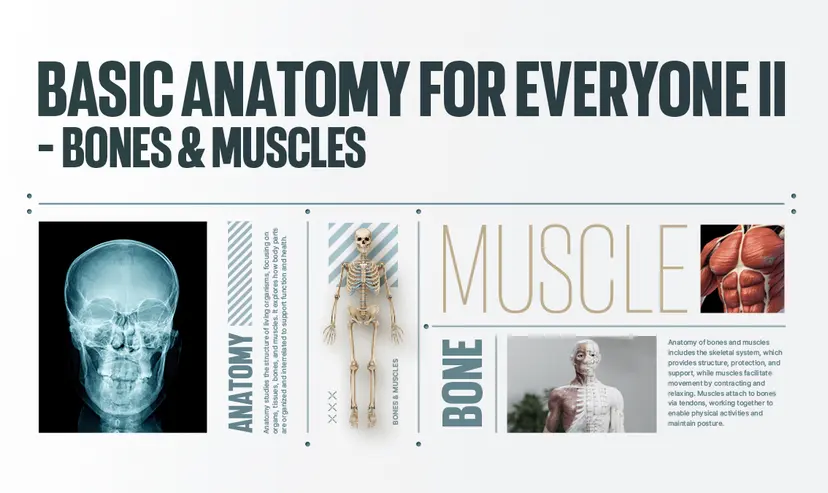
Musculoskeletal refers to the body's system of muscles, bones, tendons, ligaments, and joints. In 2026, mastering musculoskeletal anatomy, physiology, and kinesiology will be crucial for roles in healthcare, sports science, physical therapy, and ergonomics. SkillsetCourse currently features 1 expert-rated online course in this domain, covering essential knowledge for practitioners and researchers.
1
Courses
8.1/10
Avg Rating
0
Free Options
1
With Certificate
Catalog analysis updated . Ratings are independent editorial scores. Read the rating methodology.
Key Facts About Musculoskeletal
- 1The musculoskeletal system makes up about 60% of the human body's mass.
- 2There are over 600 named skeletal muscles in the human body.
- 3The average person takes 7,500 steps per day, exerting millions of pounds of force on the musculoskeletal system.
- 4Musculoskeletal disorders like back pain account for over $300 billion in annual healthcare costs in the US.
- 5Leading causes of musculoskeletal injuries include improper lifting, repetitive motion, and lack of ergonomic support.
Available on
Top Musculoskeletal Courses
Pro Tips for Learning Musculoskeletal
- #1Supplement online coursework with hands-on lab sessions and clinical placements.
- #2Learn to interpret medical imaging like X-rays, MRIs, and motion capture data.
- #3Develop a strong foundation in biomechanics, ergonomics, and exercise science.
- #4Obtain certifications in specialized techniques like manual therapy or strength & conditioning.
Why Learn Musculoskeletal?
- Develop expertise in anatomy, physiology, and kinesiology of the musculoskeletal system.
- Become qualified to assess, diagnose, and treat musculoskeletal injuries and conditions.
- Master techniques for injury prevention, rehabilitation, and optimizing human movement and performance.
- Unlock high-growth career opportunities in healthcare, sports science, and occupational safety.
Frequently Asked Questions
How to learn Musculoskeletal for free?▾
While SkillsetCourse currently features 1 expert-rated paid course on Musculoskeletal, there are some free online resources to get started. Explore anatomy and physiology videos on YouTube, read open-access journal articles, and take free courses on platforms like Coursera or edX.
Best Musculoskeletal courses for beginners?▾
For learners new to Musculoskeletal, the top-rated course on SkillsetCourse is "Anatomy and Physiology for Bodyworkers" by the University of Edinburgh. This comprehensive 12-week program covers essential Musculoskeletal knowledge through video lectures, interactive simulations, and expert-led discussions.
Is Musculoskeletal hard to learn?▾
Musculoskeletal requires a solid grasp of human anatomy, physiology, and biomechanics, which some learners may find challenging at first. However, with dedicated practice and hands-on application, the core concepts become more intuitive. Breaking down the material into manageable topics and seeking out expert guidance can make the learning process smoother.
How long to learn Musculoskeletal?▾
The time required to become proficient in Musculoskeletal varies based on your prior knowledge, learning style, and career goals. Most comprehensive online courses range from 8-12 weeks. However, developing true expertise often takes 6 months to 2 years, including practical training and certifications. Consistently applying Musculoskeletal principles is key to mastering this skillset.
Musculoskeletal salary 2026?▾
Professionals with advanced Musculoskeletal skills can expect strong salary growth in the coming years. According to industry projections, Musculoskeletal-related roles could see a 15-20% salary premium by 2026 compared to the overall job market. Factors like specialized certifications, years of experience, and complementary skills in areas like sports science or physical therapy will drive the highest compensation.
How do I become a Musculoskeletal expert?▾
To become a recognized Musculoskeletal expert, pursue a relevant degree or certificate program, gain hands-on clinical experience, and seek out specialized certifications. Stay up-to-date on the latest research, treatments, and industry best practices. Building a strong professional network and contributing to the field through publishing or speaking engagements can also elevate your status as a Musculoskeletal authority.