
Learn Industrial Hygiene
2 expert-rated courses covering Industrial Hygiene. Compared by rating, price, difficulty, and job relevance so you can pick the right one.
Industrial Hygiene is a highly sought-after skill in fields like environmental health and safety, occupational safety, and risk management. The average salary for an Industrial Hygienist in the US is $75,000, with the top 10% earning over $100,000. Demand for this role is projected to grow 5-7% annually through 2026 as more industries prioritize worker health and safety.
Catalog analysis updated . Ratings are independent editorial scores. Read the rating methodology.
Key Facts About Industrial Hygiene
- 1Industrial Hygiene focuses on anticipating, recognizing, evaluating, and controlling environmental factors that can affect worker health and safety.
- 2Key tasks of an Industrial Hygienist include conducting workplace inspections, developing safety protocols, and testing for hazardous agents like chemicals, radiation, or biological contaminants.
- 3According to the OSHA, major Industrial Hygiene issues include air quality, noise, ergonomics, hazardous materials, and physical hazards like temperature extremes.
- 4Completing an Industrial Hygiene certification, like the Certified Industrial Hygienist (CIH) credential, can boost salary by 15-20% on average.
- 5Top industries hiring Industrial Hygienists include manufacturing, construction, mining, healthcare, and government agencies like OSHA and the CDC.
Top Industrial Hygiene Courses
Environmental Health and Safety (EHS) Management
Gain the specialized training that first responders need to perform under pressure in this course. EHS management covering industrial hygiene, environmental compliance, waste management, workplace ergonomics, and ISO 14001 environmental management system implementation. Features incident command system training, communication protocols, and leadership exercises that mirror real emergency operations.
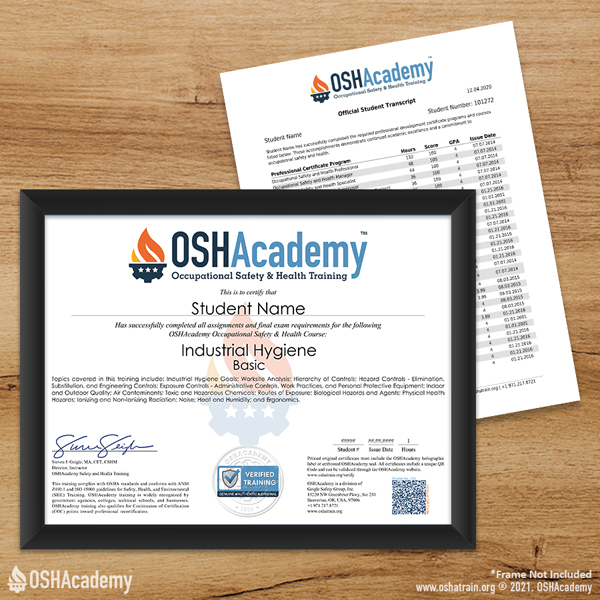
Occupational Health and Industrial Hygiene
Master the emergency response protocols that departments across the country rely on in this course. Industrial hygiene and occupational health covering exposure assessment, ventilation engineering, noise control, chemical hazards, and regulatory compliance frameworks. Covers current NFPA, OSHA, and FEMA standards with practical application exercises that build muscle memory and confidence.
Pro Tips for Learning Industrial Hygiene
- #1Pursue an Industrial Hygiene certification like the CIH to demonstrate your expertise and boost your earning potential.
- #2Gain hands-on experience through internships or entry-level jobs in high-risk industries like manufacturing or construction.
- #3Build complementary skills in areas like occupational safety, environmental science, or industrial engineering.
- #4Stay up-to-date on the latest Industrial Hygiene regulations, standards, and best practices through continuing education.
Why Learn Industrial Hygiene?
- Gain a versatile skill that is in high demand across many industries, especially manufacturing, construction, and healthcare.
- Qualify for high-paying jobs as an Industrial Hygienist, Safety Manager, or Environmental Health Specialist.
- Play a vital role in protecting worker health and safety, reducing workplace injuries and illnesses.
- Combine Industrial Hygiene expertise with other in-demand skills like data analysis, risk management, or project management.