
Learn Fine-tuning
7 expert-rated courses covering Fine-tuning. Compared by rating, price, difficulty, and job relevance so you can pick the right one.
Demand for fine-tuning skills is surging as enterprises increasingly leverage large language models and other powerful AI systems. Fine-tuning expertise can command a 20-30% salary premium in AI-driven roles like machine learning engineer, data scientist, and natural language processing specialist.
Catalog analysis updated . Ratings are independent editorial scores. Read the rating methodology.
Key Facts About Fine-tuning
- 1Fine-tuning allows you to customize pre-trained models like GPT-3 or BERT for your specific use case, significantly improving performance.
- 2The most common fine-tuning approaches are feature extraction, full model fine-tuning, and prompt-based fine-tuning.
- 3Effective fine-tuning requires careful data curation, hyperparameter optimization, and evaluation of the fine-tuned model's quality.
- 4Leading tools and frameworks for fine-tuning include the OpenAI Cookbook, NVIDIA's Transfer Learning Toolkit, and the Hugging Face Transformers library.
- 5Successful fine-tuning can boost model performance by 10-50% on key metrics like accuracy, F1 score, or perplexity.
Top Fine-tuning Courses
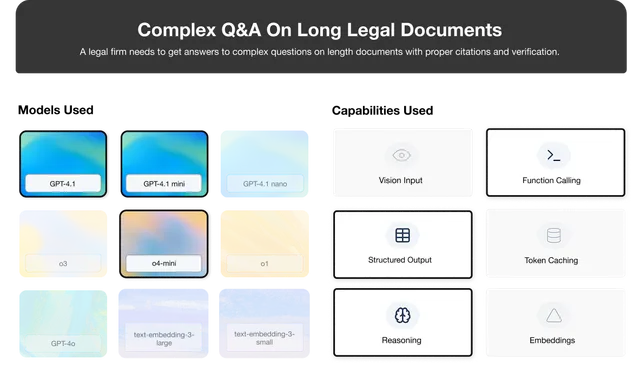
Fine-tuning best practices
Best-practices guide for improving fine-tuned models through dataset quality, quantity, formatting, and hyperparameter iteration.
Evaluation and Customization of LLMs
Learn to evaluate, fine-tune, and customize large language models for domain-specific applications using NVIDIA tools.
Fine-Tuning and Optimizing Large Language Models
Master advanced techniques for fine-tuning and optimizing large language models for specific domains and tasks. Learn efficiency techniques, parameter reduction, and performance optimization.
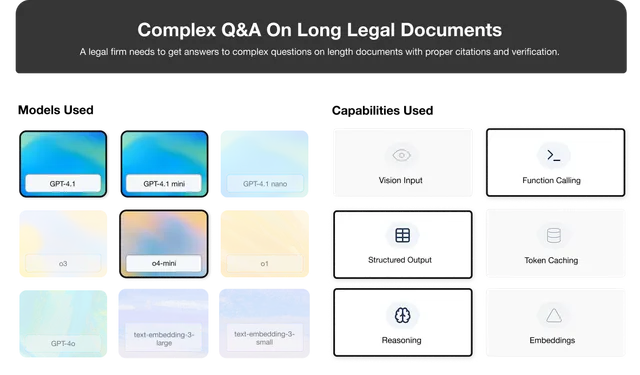
Model optimization
Guide to the optimization flywheel combining evals, prompt engineering, and fine-tuning for better model quality.
Fine-Tuning Techniques for AI Models
Learn advanced fine-tuning techniques to optimize AI models for specific tasks and domains. Explore parameter-efficient methods and best practices for adapting large language and vision models.
Transfer Learning and Fine-Tuning for AI Models Specialization
Learn advanced techniques for transfer learning and fine-tuning pre-trained AI models to solve real-world problems efficiently. This specialization covers the theory and practice of adapting large models for specific tasks while minimizing computational resources and training time.
Generative AI with Large Language Models
Deep dive into generative AI from DeepLearning.AI and AWS covering transformer architecture, training, fine-tuning, and deploying large language models.
Pro Tips for Learning Fine-tuning
- #1Start by fine-tuning popular pre-trained models like BERT, GPT-3, or T5 on smaller datasets to build practical experience.
- #2Leverage open-source fine-tuning libraries and codebases to accelerate your learning and avoid reinventing the wheel.
- #3Develop strong data preparation, model evaluation, and hyperparameter tuning skills to optimize the fine-tuning process.
Why Learn Fine-tuning?
- Fine-tuning skills are in high demand across industries like healthcare, finance, e-commerce, and media to build powerful custom AI applications.
- Mastering fine-tuning techniques can unlock career opportunities in AI research, development, and deployment with top-tier tech companies.
- Fine-tuning is a core competency for AI/ML engineers, data scientists, and NLP specialists looking to drive maximum business impact with their models.