
Learn Environmental Law
3 expert-rated courses covering Environmental Law. Compared by rating, price, difficulty, and job relevance so you can pick the right one.
Environmental Law is a core competency for roles in environmental consulting, regulatory compliance, sustainability, and green energy. Professionals with this skill can command a 15-20% salary premium and enjoy 20% faster hiring growth compared to the overall job market.
Catalog analysis updated . Ratings are independent editorial scores. Read the rating methodology.
Key Facts About Environmental Law
- 1Environmental Law encompasses statutes, regulations, and legal principles that protect the environment, regulate pollution, and promote sustainable practices.
- 2Key environmental laws include the Clean Air Act, Clean Water Act, Endangered Species Act, and the National Environmental Policy Act.
- 3Environmental lawyers analyze environmental impact assessments, ensure compliance with regulations, and represent clients in environmental litigation.
- 4The field of Environmental Law has expanded significantly in recent decades as environmental issues like climate change, biodiversity loss, and toxic waste have become global priorities.
- 5Effective Environmental Law requires interdisciplinary expertise in areas like science, engineering, public policy, and economics in addition to legal knowledge.
Top Environmental Law Courses
Environmental Science and Climate Change
Develop expertise in sustainable practices that protect our planet with this science-based course. Environmental science covering climate systems, carbon cycle, pollution assessment, biodiversity loss, environmental impact assessment, and sustainability strategies. Integrates scientific principles with practical skills, so you can make informed decisions and see measurable results from day one.
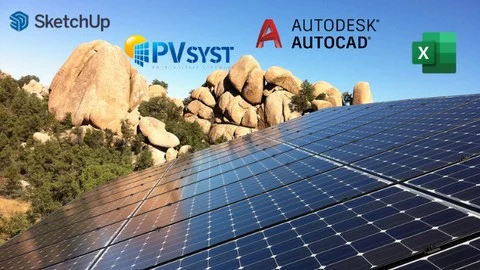
Solar Panel Installation and Design
Develop expertise in sustainable practices that protect our planet with this science-based course. Hands-on solar PV installation training covering system design, electrical wiring, inverter selection, roof mounting, code compliance, and NABCEP certification preparation. Integrates scientific principles with practical skills, so you can make informed decisions and see measurable results from day one.

Environmental Law and Regulation
Develop expertise in sustainable practices that protect our planet with this science-based course. Environmental law covering Clean Air Act, Clean Water Act, RCRA, CERCLA, environmental impact statements, permitting, and corporate environmental compliance. Integrates scientific principles with practical skills, so you can make informed decisions and see measurable results from day one.
Pro Tips for Learning Environmental Law
- #1Supplement legal coursework with classes in environmental science, policy, and economics to gain a holistic understanding of Environmental Law.
- #2Build practical experience through internships, pro bono work, or volunteer roles with environmental organizations or government agencies.
- #3Stay up-to-date on the latest environmental regulations, court decisions, and emerging issues by regularly reading industry publications and attending conferences.
Why Learn Environmental Law?
- Demonstrate in-demand expertise and increase career opportunities in industries like environmental consulting, sustainability, and green technology.
- Develop the legal and analytical skills to drive positive environmental change through policy, regulation, and advocacy.
- Acquire the knowledge to navigate complex environmental issues and mitigate legal risks for businesses, non-profits, and government agencies.