
Learn De-escalation
2 expert-rated courses covering De-escalation. Compared by rating, price, difficulty, and job relevance so you can pick the right one.
De-escalation skills are essential for roles in law enforcement, security, social work, and customer service. Proficiency in de-escalation can increase annual earnings by $5,000-$10,000 and dramatically improve hiring prospects. This skill is projected to grow 18% in demand by 2026 as organizations strive to build a more peaceful, collaborative workplace.
Catalog analysis updated . Ratings are independent editorial scores. Read the rating methodology.
Key Facts About De-escalation
- 1De-escalation techniques include active listening, empathetic response, setting boundaries, and avoiding confrontation.
- 2Effective de-escalation can reduce the risk of physical altercations by up to 75% in high-tension situations.
- 3Mastering de-escalation requires training in conflict psychology, communication strategies, and situational assessment.
- 4De-escalation is a perishable skill that must be continuously practiced to maintain proficiency.
- 5Proper de-escalation can prevent property damage, legal liabilities, and psychological trauma for all parties involved.
Top De-escalation Courses
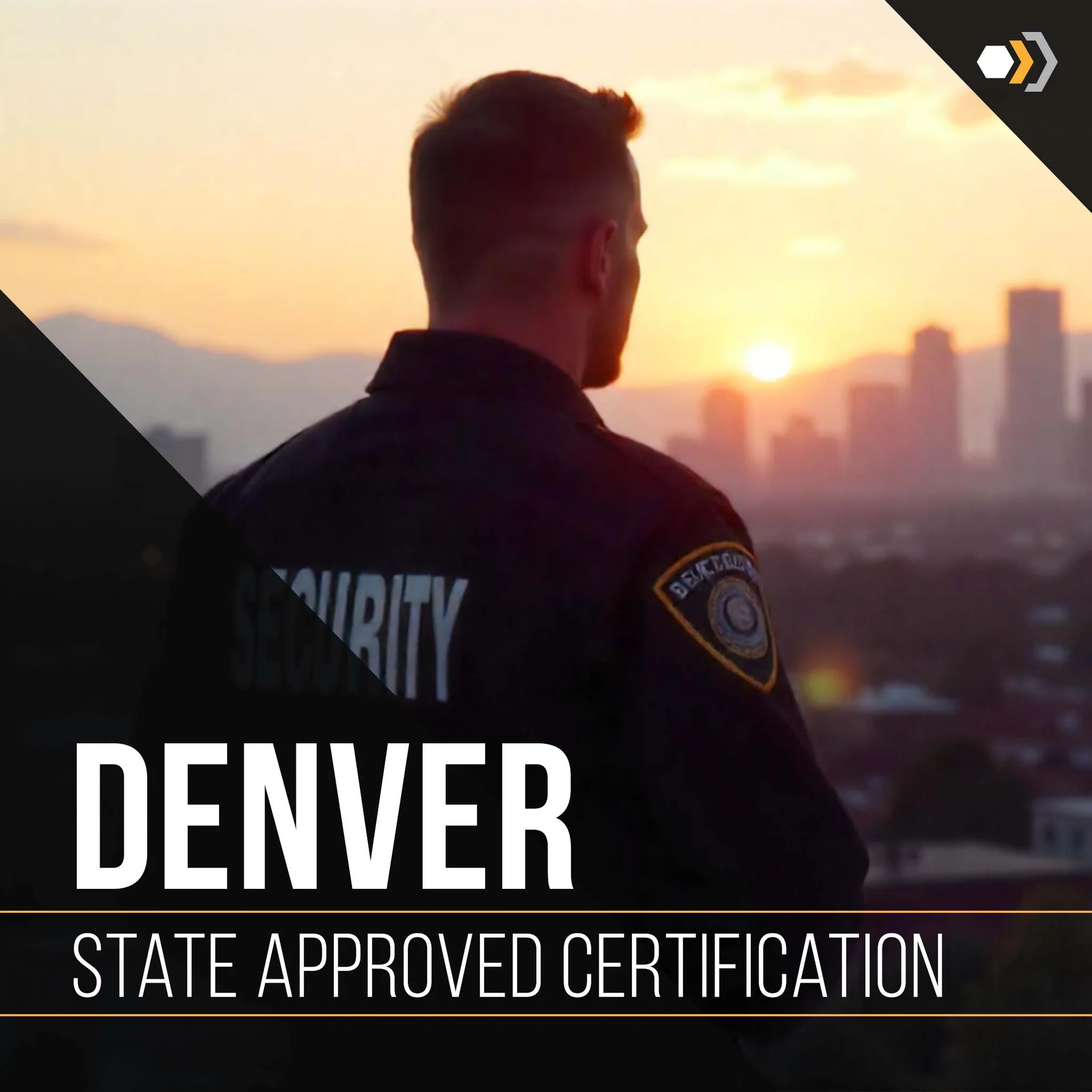
Private Security Guard Training & Certification
Prepare to save lives and protect communities with this critical, scenario-driven course. Security guard training covering access control, patrol techniques, report writing, conflict de-escalation, emergency procedures, and state licensing preparation. Created by veterans of emergency services - instructors who have responded to the calls and know what it takes to succeed.
Conflict Resolution and Crisis Negotiation
Develop the split-second decision-making skills that separate professionals from beginners in this intensive course. Crisis negotiation and conflict resolution covering de-escalation techniques, hostage negotiation principles, mediation, and communication under high-stress situations. Integrates physical skills training with mental preparedness and stress management, preparing you for the realities of the job.
Pro Tips for Learning De-escalation
- #1Focus on developing active listening, empathy, and conflict resolution as core de-escalation competencies.
- #2Practice de-escalation scenarios with role-playing and guided feedback to sharpen your skills.
- #3Stay up-to-date on the latest de-escalation research, tactics, and best practices through ongoing training.
Why Learn De-escalation?
- De-escalation skills make you a more valuable and versatile employee across many industries.
- Learning de-escalation techniques can boost your confidence and emotional intelligence in high-stress environments.
- Mastering de-escalation reduces the risk of violence, injury, and legal consequences in your personal and professional life.