
All Skills
Skill
Learn Chemical Peels
1 expert-rated courses covering Chemical Peels. Compared by rating, price, difficulty, and job relevance so you can pick the right one.
Demand for skilled chemical peel professionals is growing rapidly, as the global chemical peel market is projected to reach $3.8 billion by 2026. Estheticians who offer chemical peel treatments can command a 15-20% higher salary on average. Complementary skills like microneedling, laser treatments, and advanced skincare formulation pair well with chemical peel expertise.
Chemical peels are a popular cosmetic procedure that involve the application of a chemical solution to the skin, which causes the outer layer to peel off. This process reveals newer, healthier skin beneath and can improve the appearance of fine lines, wrinkles, acne scars, and hyperpigmentation. With 1 expertly-rated course available on SkillsetCourse.com, chemical peels are an in-demand skill for estheticians, dermatologists, and skincare enthusiasts looking to enhance their professional services.
1
Courses
8.1/10
Avg Rating
0
Free Options
1
With Certificate
Catalog analysis updated . Ratings are independent editorial scores. Read the rating methodology.
Key Facts About Chemical Peels
- 1Chemical peels use alpha hydroxy acids, beta hydroxy acids, or retinoids to remove the outer layer of skin.
- 2There are 3 main types of chemical peels: superficial, medium, and deep, each with varying levels of intensity and depth of penetration.
- 3Proper preparation and post-peel care are crucial to achieving optimal results and preventing complications like hyperpigmentation.
- 4Glycolic acid, salicylic acid, and trichloroacetic acid (TCA) are among the most common chemical peel ingredients.
- 5Chemical peels can treat a range of skin concerns, from acne and blackheads to fine lines, sun damage, and uneven skin tone.
Available on
Top Chemical Peels Courses
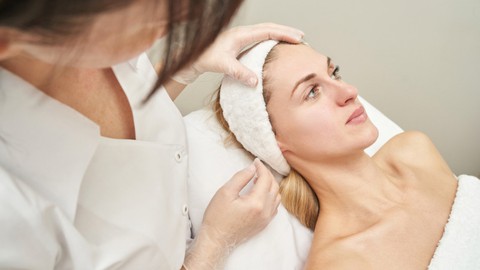
Pro Tips for Learning Chemical Peels
- #1Start with lower-strength peels and gradually work your way up to ensure client safety and comfort.
- #2Thoroughly assess each client's skin type, concerns, and medical history before recommending a peel.
- #3Invest in quality peel products from reputable brands and follow application and post-care instructions meticulously.
- #4Continuously expand your knowledge by attending industry events, workshops, and staying up-to-date on the latest peel techniques.
Why Learn Chemical Peels?
- Gain a high-demand skill for estheticians, dermatologists, and skincare professionals to offer enhanced cosmetic services.
- Increase your earning potential by 15-20% with chemical peel expertise.
- Help clients achieve healthier, more youthful-looking skin through personalized peel treatments.
- Complement your existing skills in areas like microneedling, laser treatments, and advanced skincare formulation.
Frequently Asked Questions
How to learn Chemical Peels for free?▾
While there are no completely free chemical peel courses, many esthetician schools and skincare brands offer affordable training programs and workshops. Look for entry-level classes that cover the basics of peel types, ingredients, and proper application techniques.
Best Chemical Peels courses for beginners?▾
For beginners, the "Esthetician Skincare Professional Training" course by Dermalogica Education on Udemy is a top-rated option that provides comprehensive training on chemical peels, skin analysis, and other essential esthetician skills.
Is Chemical Peels hard to learn?▾
Chemical peels require a moderate level of skill and knowledge to perform safely and effectively. While the core concepts are not overly complex, properly assessing skin types, selecting the right peel formula, and managing post-peel care takes practice and experience.
How long to learn Chemical Peels?▾
Most comprehensive chemical peel training programs range from 20-40 hours of instructional time, including both theoretical and hands-on components. Becoming truly proficient may take several months of practice performing peels under the guidance of experienced estheticians.
Chemical Peels salary 2026?▾
Skilled chemical peel practitioners can expect to earn 15-20% more than the average esthetician salary, which is projected to reach $35,000-$45,000 per year by 2026 in the United States. Factors like location, experience, and clientele can also impact earning potential.
What is the average cost of a Chemical Peel?▾
The average cost of a chemical peel can range from $150 to $300, depending on the type of peel, the expertise of the practitioner, and the geographic location. Superficial peels are typically on the lower end of this range, while medium and deep peels may be priced higher.