
All Skills
Skill
Learn Academic Credit
1 expert-rated courses covering Academic Credit. Compared by rating, price, difficulty, and job relevance so you can pick the right one.
Academic credit is a highly sought-after skill across industries, particularly in fields like technology, finance, and consulting. Professionals with verifiable academic credentials can command 15-20% higher salaries on average. Demand for these credentials is projected to grow by 25% by 2026 as employers prioritize certified expertise. Complementary skills like data analysis, critical thinking, and communication further enhance the value of academic credit.
Academic credit refers to the recognition of learning achievements that can be applied towards a degree or credential. In 2026, as the demand for skilled talent grows, academic credits will become increasingly important for career advancement and accessing high-value opportunities. SkillsetCourse.com currently offers 1 expert-rated course in this field, providing a pathway to earning valuable credentials and expanding professional options.
1
Courses
8.5/10
Avg Rating
0
Free Options
1
With Certificate
Catalog analysis updated . Ratings are independent editorial scores. Read the rating methodology.
Key Facts About Academic Credit
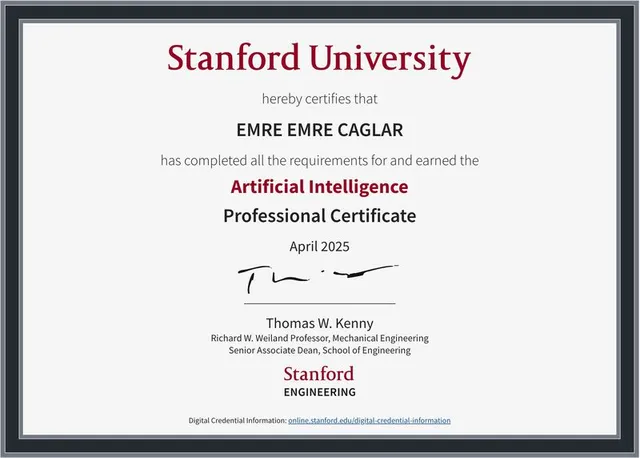
- 1The Stanford School of Engineering offers an "Artificial Intelligence Graduate Certificate" program that provides academic credit.
- 2Academic credit can be earned through online courses, in-person programs, or a combination of both.
- 3Courses awarding academic credit typically require 40-60 hours of study time per credit hour.
- 4Many universities and colleges accept academic credits earned through online programs for degree completion.
- 5Employers often provide tuition assistance or reimbursement for employees pursuing academic credit programs.
Available on
Top Academic Credit Courses
Pro Tips for Learning Academic Credit
- #1Research accredited institutions and programs to ensure your academic credits will be widely recognized.
- #2Explore financial aid and employer tuition assistance options to make academic credit programs more accessible.
- #3Prioritize programs that offer a good balance of theoretical knowledge and practical application.
- #4Maintain a strong academic record and seek out opportunities for hands-on projects or internships.
Why Learn Academic Credit?
- Earn a recognized credential that can boost your career advancement opportunities.
- Demonstrate your expertise and commitment to continuous learning to potential employers.
- Develop in-demand skills and knowledge that can be applied across a variety of industries.
- Potentially earn a higher salary or qualify for more senior-level positions.
Frequently Asked Questions
How to learn Academic Credit for free?▾
While there are no completely free options for earning academic credit, some universities offer low-cost or discounted online courses that can count towards a degree. Exploring these options and looking into financial aid or employer tuition assistance can help make academic credit programs more affordable.
Best Academic Credit courses for beginners?▾
For beginners, courses that provide a solid foundation in general education subjects like mathematics, English, or science are often good starting points. These core courses can then be built upon with more specialized academic credit programs in your area of interest.
Is Academic Credit hard to learn?▾
The difficulty of earning academic credit can vary depending on the specific program, your prior knowledge, and your study habits. However, most accredited programs are designed to be challenging yet achievable with dedicated effort. Maintaining strong time management and study skills is key to success.
How long to learn Academic Credit?▾
The time required to earn academic credit can range from a few weeks for a single course to several years for a full degree program. On average, a full undergraduate degree typically takes 4 years of full-time study, while a graduate-level certificate or diploma may be completed in 6-12 months.
Academic Credit salary 2026?▾
Professionals with verifiable academic credentials can expect to earn 15-20% higher salaries on average compared to their non-credentialed counterparts. As demand for skilled talent continues to grow, this salary premium for academic credit is projected to increase by 25% by 2026 across many industries.
How to choose the best Academic Credit program?▾
When selecting an academic credit program, consider factors such as the program's accreditation, the reputation of the institution, the flexibility of the delivery format, and the alignment of the curriculum with your career goals. It's also important to ensure the program is recognized by employers in your desired field.