
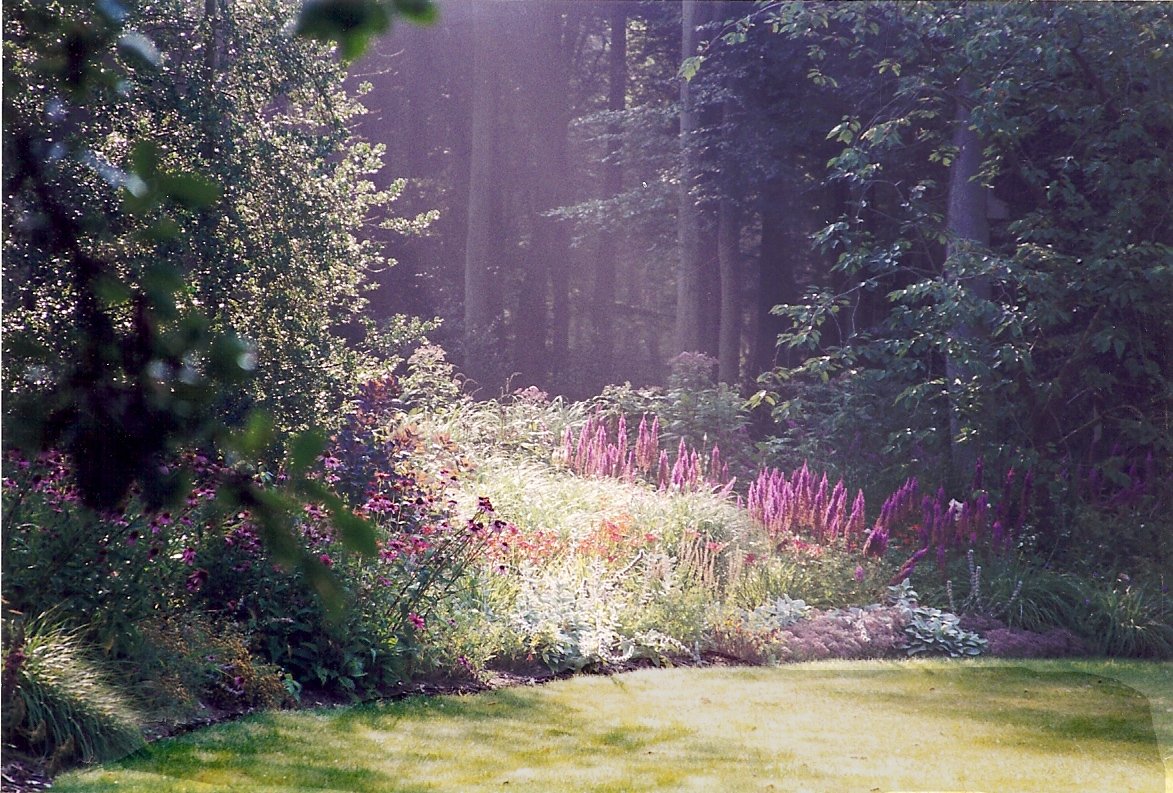
Sustainable gardening
Skillshare · Mark Shorter · Updated
AI Tutor Rating
7.9/10
Duration
Self-paced
Classes
8
Sustainable gardening basically means that you design and tend to your garden in a smart and eco-friendly way. If you garden with sustainability in mind ...
Sustainable gardening on Skillshare is a self-paced course taught by instructor Mark Shorter that focuses on applying eco-friendly principles to garden design and maintenance. The course aims to guide learners in adopting sustainable living practices, reducing their environmental impact, and creating eco-friendly designs. It covers fundamental topics like sustainability, green living, and recycling, making it suitable for home gardeners, hobbyists, and anyone interested in integrating environmental consciousness into their daily routines through their own green spaces.
What you'll learn in Sustainable gardening
Our Review of Sustainable gardening
The Sustainable gardening course is structured into three core chapters: Sustainable gardening Fundamentals, Adopting sustainable living practices in daily life, and a Final Project & Assessment. This streamlined curriculum suggests a focused, project-based approach rather than an exhaustive academic treatise. The teaching format is typical of Skillshare, relying on video lectures and a hands-on final project, which is effective for visual and practical learners. The self-paced nature offers flexibility, but the depth is likely introductory, aligning with the listed learning outcomes of adopting practices and understanding fundamentals rather than mastering advanced horticultural science.
Given the platform and topic, the difficulty appears accessible to beginners with no formal prerequisites beyond a Skillshare membership. The outcomes suggest learners will finish with actionable knowledge to make conscious choices in their garden, such as implementing water conservation, composting, or plant selection strategies. However, the value proposition is tied entirely to the Skillshare Premium subscription model. At $13.99 per month, the cost is reasonable for access to this and other courses, but the lack of a standalone certificate may limit its utility for those seeking formal credentialing for career advancement. The course's value is strongest for personal enrichment and practical skill-building within the broader context of a subscription library.
Pros and cons of Sustainable gardening
Pros
- Focuses on practical, daily application of sustainability principles in a garden setting
- Self-paced format provides flexibility for learners with busy schedules
- Project-based learning through a final assessment encourages hands-on implementation
- Accessible to beginners with no specialized prerequisites required
- Integrated into a Skillshare Premium subscription, offering access to a wide library of related courses
Things to consider
- No certificate of completion is indicated, reducing formal recognition value
- Requires an ongoing Skillshare membership, which is a prerequisite for access
- The curriculum appears concise, which may not satisfy learners seeking deep, scientific or technical depth
Who should take Sustainable gardening?
This course is an ideal fit for the casual home gardener or eco-conscious hobbyist looking for a structured, practical introduction to making their gardening practices more environmentally friendly. It suits learners who prefer a flexible, self-directed format and value actionable tips over academic theory, and who are already subscribed to or interested in the broader Skillshare platform for creative learning.
Course curriculum for Sustainable gardening
Sustainable gardening at a glance
| Provider | Skillshare |
|---|---|
| Instructor | Mark Shorter |
| Level | Intermediate |
| Time to complete | Self-paced |
| Pricing | Skillshare Premium ($13.99/mo) |
| Certificate | No |
| Prerequisites | Skillshare membership |
Fit
Best for
Not ideal for
The bottom line on Sustainable gardening
Sustainable gardening on Skillshare is a solid, practical primer for integrating eco-friendly habits into your garden. Its strength lies in accessible, project-based learning, though its value is contingent on the subscription model and it lacks a formal credential. For personal skill development within a flexible learning ecosystem, it delivers on its core promises.
Sustainable gardening: frequently asked questions
What exactly will I learn to do in the Sustainable gardening course?
You will learn to design and tend to your garden in a smart, eco-friendly way, adopt sustainable living practices in daily life, reduce your environmental impact through conscious choices, and create eco-friendly garden designs.
Do I need any prior gardening experience or special tools to take this course?
No specific prior gardening experience is listed as a prerequisite. The course is accessible through a Skillshare membership, suggesting it is designed for beginners looking to start sustainable practices.
Is there a certificate for completing the Sustainable gardening course, and how does the pricing work?
A completion certificate is not indicated. The course requires a Skillshare Premium subscription, which costs $13.99 per month and provides access to their entire course library.
How can I get the most value from taking the Sustainable gardening course?
To get the most value, actively engage with the final project and assessment, apply the sustainable practices directly to your own garden space, and explore other related courses on sustainability within your Skillshare Premium subscription to broaden your understanding.