
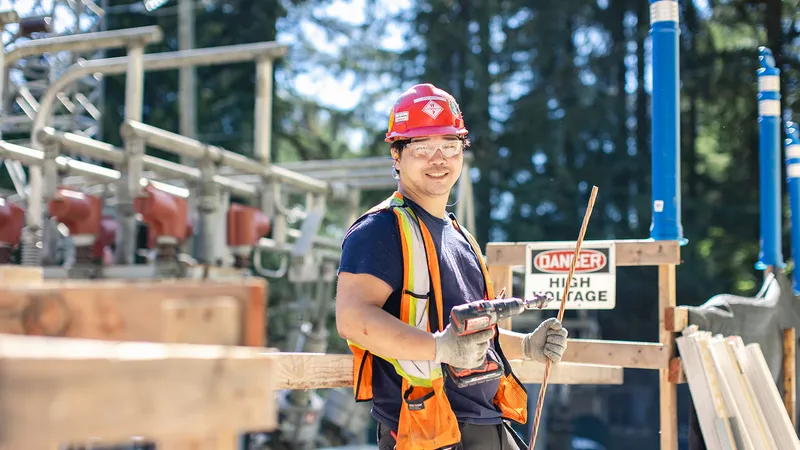
The biggest workforce crisis in 2026 isn't in tech - it's in skilled trades. The U.S. faces a shortage of 3 million skilled trade workers, according to the Associated Builders and Contractors, and the gap is accelerating as baby boomers retire faster than new workers enter the pipeline. This shortage is your opportunity.
Why the Shortage Exists
- Cultural bias toward college - For 30 years, guidance counselors steered students toward four-year degrees. Trade school enrollment dropped 40% between 2000 and 2020.
- Aging workforce - 40% of tradespeople are over 55. The plumbing industry alone will lose 20% of its workforce to retirement by 2028.
- Infrastructure spending boom - The CHIPS Act ($280B), Inflation Reduction Act ($370B for clean energy), and Bipartisan Infrastructure Law ($1.2T) have created demand that far outstrips the available labor force.
- AI-proof by nature - These jobs require physical presence, dexterity, problem-solving in unpredictable environments, and human judgment. They cannot be automated or offshored.
Trade-by-Trade Breakdown
- Electricians - Median: $65K nationally, $80K-$130K in high-demand metros. The EV charging buildout and renewable energy installations are adding 100,000+ jobs. Apprenticeships: 4-5 years, earn while you learn.
- Plumbers - Median: $60K, up to $100K+ for master plumbers. Every new building and renovation needs plumbing. Union apprenticeships start at $18-$22/hour.
- Welders - $30-$55/hour depending on specialization. Underwater welders and pipeline welders earn $100K+. Certification takes 6-12 months.
- HVAC Technicians - $55K-$90K. Growing 15% faster than average due to climate change driving demand for cooling systems. EPA 608 certification is the entry point.
- Carpenters - $50K-$80K. Residential construction and commercial remodeling are booming. Union apprenticeships typically run 3-4 years.
- Heavy Equipment Operators - $55K-$85K. Infrastructure projects need operators for cranes, excavators, and bulldozers. Training programs run 3-6 weeks.
The Earnings Reality: Debt-Free and Growing
The average college graduate in 2026 carries $37,000 in student debt. The average trade apprentice graduates with zero debt and 4-5 years of paid work experience. By age 27, a journeyman electrician has earned roughly $220,000 in cumulative wages while a college grad with a bachelor's degree has earned roughly $120,000 minus $37,000 in debt. Trade salaries have grown 18% year-over-year, outpacing white-collar wage growth for the third consecutive year.
How to Get Started: Apprenticeship vs. Pre-Training
Union Apprenticeships
Offered by IBEW (electricians), UA (plumbers/pipefitters), and other trade unions. Competitive admissions, but they pay you from day one and guarantee employment. Apply through your local union hall.
Non-Union Apprenticeships
Often run by employers - companies like ABC (Associated Builders and Contractors) offer apprenticeship-matching programs. More flexible but with fewer benefits than union programs.
Pre-Apprenticeship Online Training
Completing foundational coursework in math, safety (OSHA 10/30), blueprint reading, and trade-specific basics makes your apprenticeship application dramatically more competitive.
Start Your Path
Whether you're a recent high school graduate, a career changer, or someone looking for AI-proof job security, skilled trades are the overlooked goldmine of 2026. Our catalog of 900+ expert-rated courses includes 170 Alternative & Trades courses across healthcare, construction, emergency services, and culinary arts - all rated by working professionals.