
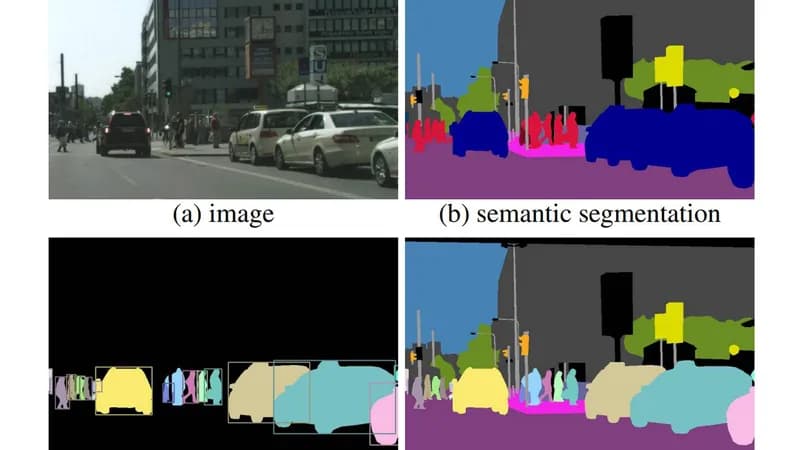
Computer vision is one of the most applied fields in AI. Every autonomous system, every medical imaging tool, every AR/VR application relies on it - and the demand for engineers far exceeds supply. The Bureau of Labor Statistics projects 25% growth in CV-related roles through 2030, making this one of the most durable career bets in tech.
The Career Ladder
- Junior CV Engineer - $90K-$120K. Focus on image classification, object detection basics, and data labeling pipelines.
- Mid-Level CV Engineer - $130K-$170K. Custom model architectures, production deployment, and performance optimization.
- Senior / Staff Engineer - $180K-$250K+. System design, cross-team leadership, and bridging research to production.
- Principal / Director - $260K-$350K+ (total comp). Setting technical vision, patent work, and managing multi-team initiatives at companies like Waymo, Tesla, or Apple.
Core Tools and Frameworks
The modern CV tech stack evolves quickly, but these foundations remain constant in 2026:
- PyTorch - the dominant research and production framework for vision models
- YOLO v9 / RT-DETR - real-time object detection, deployed in robotics and surveillance
- Segment Anything Model (SAM 2) - Meta's open-source segmentation powerhouse
- OpenCV + Albumentations - image processing and data augmentation
- ONNX Runtime / TensorRT - model optimization for edge and cloud inference
Industry Applications Driving Hiring
Computer vision isn't a single industry - it's a horizontal capability. The hottest verticals in 2026 include:
- Autonomous vehicles - Waymo, Cruise, and Zoox collectively employ 4,000+ CV engineers
- Medical imaging - FDA-cleared AI diagnostics for radiology, pathology, and dermatology
- Retail & logistics - Amazon, Ocado, and warehouse robotics companies use vision for pick-and-place, cashierless checkout, and inventory tracking
- Agriculture - drone-based crop monitoring and automated harvesting systems
- AR/VR - Apple Vision Pro and Meta Quest rely on real-time spatial CV
The Learning Path (Step by Step)
A realistic 12-month learning path for career changers and junior engineers:
- Months 1-2: Python fluency, NumPy, and image basics with OpenCV
- Months 3-4: Deep learning fundamentals - CNNs, transfer learning, PyTorch
- Months 5-6: Object detection (YOLO, DETR) and image segmentation
- Months 7-8: 3D vision, depth estimation, and point cloud processing
- Months 9-10: Model optimization, quantization, and edge deployment (Jetson, TensorRT)
- Months 11-12: Build a portfolio project - end-to-end CV pipeline with deployment
Where to Start
The fastest way to break into computer vision is structured, project-based training that mirrors real job requirements. Our catalog of 900+ expert-rated courses includes dedicated CV tracks - from PyTorch fundamentals through production deployment - rated by working engineers who hire for these roles.