
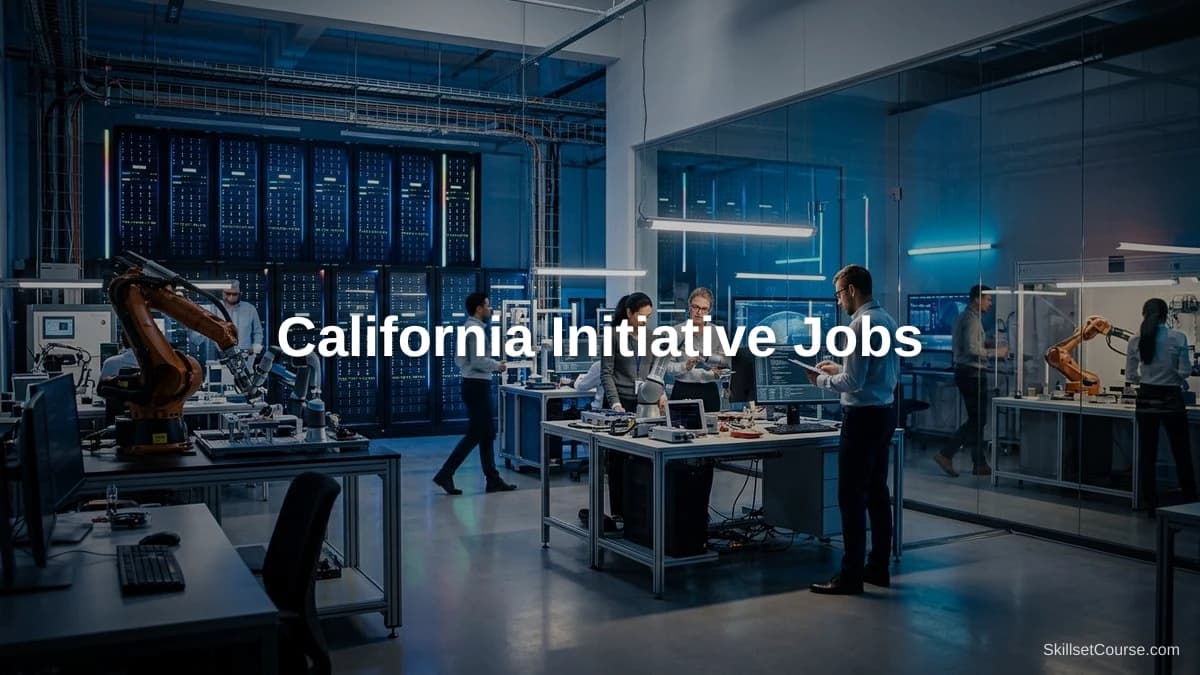
California, a pioneering hub in technological advancement, is now facing an unprecedented challenge: the harmonization of its workforce with the rapidly developing AI sector. According to The HR Digest, California’s innovative approach to this labor market shift involves a blended workforce strategy that could set a precedent for other states grappling with similar disruptions. As AI technology advances, its integration into various industries is causing significant shifts in employment patterns and prompting urgent questions about the future of work.
Key Takeaways
- California stands at the forefront of integrating AI into the workforce, experimenting with blended workforce strategies.
- The HR Digest highlights potential models for managing technological disruptions across different sectors.
- Skillsetcourse.com offers specialized courses to equip professionals with AI and automation skills.
- A mixed workforce of AI technologies and human labor is critical to maintaining economic balance and job satisfaction.
- There is an urgent need for workforce readiness programs to ensure employees adapt to technological advancements.
How is California Leading the Charge?
Adopting a Blended Workforce Model
A blended workforce model refers to a strategic approach where human employees work alongside AI technologies to optimize productivity and innovation. This model is not just about replacing human labor but rather augmenting it. According to The HR Digest, such an approach has the potential to not only preserve existing jobs but also create new ones in emerging fields.
California is leveraging its strengths in technology and innovation to experiment with these models. By identifying sectors that can benefit from AI without significantly displacing human jobs, California aims to maintain economic stability. This approach is being closely monitored as a potential blueprint for other states.
Investments in AI Education and Training
The California State Government has recognized the necessity of reskilling and upskilling its workforce. According to a report by the California Workforce Development Board, there is a substantial increase in funding for AI-focused educational programs. These initiatives aim to prepare the workforce for the inevitable technological transformations that AI brings.
Educational platforms like AI Class courses are critical to this strategy, providing targeted training programs that equip workers with the skills needed to thrive alongside AI systems. The adoption of this blended workforce model necessitates continuous access to education and training resources.
Legislative Measures Supporting Workforce Evolution
As AI technologies rapidly evolve, legislative measures are crucial in ensuring that workforce adaptations happen smoothly and equitably. California has introduced policies aimed at supporting both companies and employees in this transition. Policies designed to protect workers from sudden job displacement while encouraging the development of AI initiatives are a focus.
These measures include incentives for companies that invest in upskilling their workforce and providing resources for sectors most affected by AI transformation. The balance achieved by these legislative efforts is instrumental in setting a framework that others can emulate.
Nurturing a Culture of Innovation
California's commitment to fostering a culture of innovation is evident through its support for startups and tech incubators. According to the California Innovation Index, California leads in the U.S. for venture capital funding, accounting for 48% of nationwide investments. This financial backing is crucial for innovation in AI and robotics.
By nurturing small companies and fostering collaboration between tech startups and established industries, California creates an ecosystem where new AI-driven ideas can flourish. This culture of innovation not only generates new job opportunities but also encourages a dynamic labor market capable of adapting to rapid technological changes.
How Can Other States Learn from California's Example?
Understanding the Economic Impact
AI's impact on the economy extends beyond the confines of Silicon Valley, influencing sectors as diverse as healthcare, manufacturing, and agriculture. A report by the McKinsey Global Institute highlights that by 2030, up to 30% of work hours globally could be automated. However, this doesn't necessarily translate to job losses if appropriately managed.
California's foresight in predicting these shifts allows for strategic planning and investment in key industries. Other states can take a page from California’s book by conducting in-depth analyses of their economic landscapes and implementing strategies that promote AI integration while safeguarding jobs.
Creating Multi-sectoral Partnerships
Public and private sector partnerships are a cornerstone of California's blended workforce approach. By aligning industry needs with workforce development programs, these partnerships ensure that the skills provided are in direct correlation with market demands. The involvement of tech giants, educational institutions, and government bodies is crucial.
These collaborations facilitate the development of AI systems that complement human capabilities rather than replace them. For example, autonomous systems in transportation and logistics create new job categories while requiring innovative regulatory frameworks.
Cultural Shift Towards Continuous Learning
The traditional model of education and career progression is becoming outdated in the face of rapid technological advancements. California's approach includes promoting a culture of lifelong learning, encouraging workers to continuously develop their skills. This cultural shift is supported by initiatives that make education more accessible and relevant to current market needs.
Programs offered by platforms like Robotics program and Alternative Trades are essential in fostering this culture, allowing individuals to transition seamlessly between roles in an AI-driven job market. Continuous learning is not just beneficial but necessary for career longevity.
Fostering Resilient Workforce Structures
Resilient workforce structures are necessary for managing disruptions caused by technological advancement. According to the California Economic Development Report, states can build resilience by investing in diversified sectors that can absorb technological shocks while maintaining employment levels.
California's strategy involves creating safety nets for workers transitioning between sectors, such as providing grants for retraining and relocation assistance. By promoting industry resilience, states can ensure that their workforce remains adaptive and stable even amidst significant technological shifts.
What This Means for Your Career
- Stay updated on AI advancements to understand how they impact your specific industry. Engage with industry reports and studies regularly.
- Invest in upskilling: Enroll in courses offered by platforms like skillsetcourse.com to gain a competitive edge with AI-related skills.
- Build a network with professionals in AI and technology sectors to exchange knowledge and opportunities.
- Adopt a mindset of continuous learning, as this is crucial for adapting to the rapidly changing job landscape.
Frequently Asked Questions
How will AI impact job availability in California?
AI is likely to transform job roles rather than eliminate them entirely. While certain repetitive tasks may become automated, there will be an increasing demand for skills that cannot be replicated by AI, such as emotional intelligence, complex problem-solving, and creativity. Preparing the workforce with these skills can mitigate negative impacts on job availability.
What are the benefits of a blended workforce?
A blended workforce maximizes the strengths of both human and AI capabilities, leading to increased productivity, innovation, and economic growth. Workers benefit by taking on more meaningful and less repetitive tasks, while companies benefit from enhanced operational efficiencies and new opportunities for growth.
Why is continuous learning crucial in an AI-driven job market?
As industries evolve rapidly due to technological advancements, staying static can lead to obsolescence. Continuous learning ensures that professionals remain relevant and competitive. Participating in ongoing education facilitates adaptability and opens up new career pathways as technologies evolve.
What role does government policy play in AI workforce integration?
Government policy is instrumental in providing a framework that supports workforce transition with minimal disruption. Policies can include educational funding, incentives for workforce development, and programs that ensure ethical AI implementation. Such measures help balance technological advancement with social welfare.
The Bottom Line
California’s proactive approach to integrating AI within its workforce serves as a critical case study for managing technological transitions effectively. By adopting a blended workforce model, investing in education and training, and implementing supportive legislation, California is setting a high standard that other states can emulate.
For professionals, embracing this transition involves not just understanding the immediate impacts of AI on their current roles but proactively preparing for future opportunities. Platforms such as skillsetcourse.com offer tools and courses that are pivotal in navigating these changes.
Whether you're based in California or elsewhere, there's much to learn from these strategies. Begin your upskilling journey today with AI Class courses and prepare yourself for a future where human and AI collaboration is the norm.