
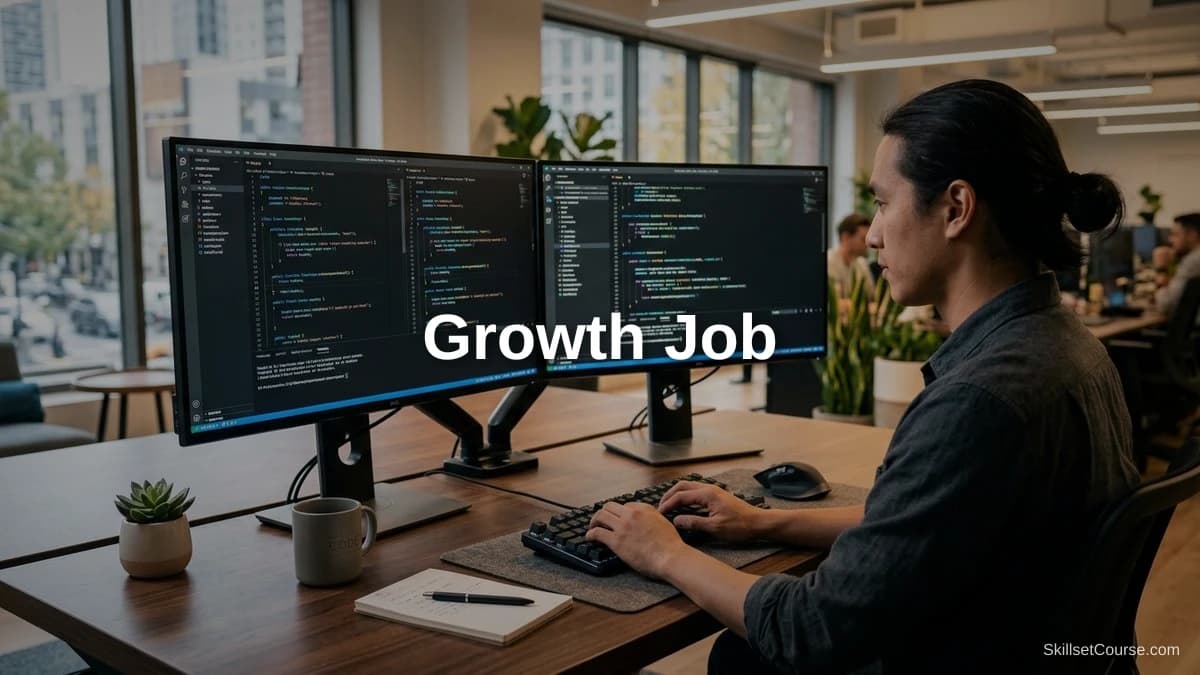
Despite sensational headlines warning of an AI-driven job apocalypse, recent industry reports suggest otherwise. According to Charisma Magazine Online, AI is not eliminating jobs as feared but rather expanding hiring opportunities by creating new roles and enhancing productivity across industries. Companies are increasingly recognizing AI's role as a catalyst for growth, not a redundancy.
Key Takeaways
- AI is projected to create more jobs than it eliminates, reversing the feared trend of mass layoffs.
- By 2026, AI could add up to 2.3 million jobs globally while only displacing 1.8 million, according to a Gartner report.
- The labor market is evolving with AI requiring upskilling, pushing educational institutions to adapt curricula.
- Business leaders see AI augmenting human capabilities, enhancing roles, and improving worker productivity.
- Skillsetcourse.com offers specialized courses that help professionals transition into AI-enhanced roles.
Why AI's Impact on Jobs Matters More Than Ever
Understanding AI's Role in Job Creation
AI's transformative potential lies not in shedding jobs but in reshaping and creating them. Gartner predicts that AI will generate more jobs than it eliminates, projecting a net gain of 500,000 jobs by 2026. This shift represents a paradigm where AI augments rather than replaces human labor. Companies adopting AI technologies report increased efficiency and the need for specialized roles to manage AI systems.
These roles range from AI specialists to data analysts, demanding a workforce skilled in data manipulation and AI system management. As AI becomes integral to business strategies, professionals versed in these domains are highly sought after, leading to a rise in targeted hiring.
The Stakes for Professionals in Today's Job Market
If professionals do not adapt to AI advancements, they risk being left behind in a rapidly evolving job landscape. The World Economic Forum warns of a significant skills gap, with 42% of core job skills expected to change by 2025. Employees must pursue ongoing education to remain competitive. Failure to engage in continuous learning could lead to obsolescence and reduced job prospects in tech-driven industries.
Workers must embrace a mindset of flexibility and lifelong learning. By investing time in education and acquiring new skills, they ensure their relevance in the AI-enhanced workforce. AI Class courses from Skillsetcourse.com provide an array of upskilling and reskilling options, catering to professionals eager to stay ahead.
Redefining Workforce Dynamics with AI
Businesses are leveraging AI to redefine roles, emphasizing a symbiotic relationship between technology and human intuition. AI can process large datasets and uncover insights at unparalleled speeds, but it is human creativity and decision-making that drive strategic implementation. This blend of AI and human expertise results in more collaborative, nuanced job roles.
The shift towards a technology-enhanced workforce requires companies to invest in employee development. Employers are now prioritizing training programs that integrate AI, equipping teams to harness its potential fully. This approach not only enhances productivity but also motivates employees by diversifying their skills and career paths.
Preparing for Future Employment Challenges
Preparing for future employment challenges involves a multifaceted approach to workforce development. As AI continues to evolve, professionals must anticipate the shifts in demand for specific skill sets. Businesses need strategies to develop adaptable teams capable of leveraging technology to maximize productivity.
One crucial strategy is fostering a culture of innovation and continuous improvement. Encouraging creativity and allowing room for experimentation can drive breakthroughs in how AI is applied across different sectors. Offering employees opportunities for cross-functional training ensures a robust, versatile talent pool ready to navigate unforeseen challenges in a dynamic job market.
How AI is Redefining Key Industry Sectors
Impact on Healthcare Professions
The healthcare sector is witnessing significant transformations due to AI, with applications ranging from diagnostic imaging to patient care management. AI tools can analyze patient data at an astonishing speed, aiding in quicker diagnoses and treatment planning. This efficiency creates a need for tech-savvy healthcare professionals who can operate AI-driven tools.
Nursing and medical roles are projected to evolve, with an emphasis on precision medicine and telehealth services. According to the Bureau of Labor Statistics, employment of medical and health services managers is expected to grow by 32% from 2019 to 2029. Programs offered by Alternative Trades & Healthcare provide essential training to adapt to these changes.
The Rise of AI in Industrial Automation
In industries like manufacturing, AI enhances production capabilities through smart automation and IoT devices. These technologies streamline processes, reduce human error, and increase output. This evolutionary step demands a new breed of technicians proficient in maintaining and programming automated systems.
According to a report from McKinsey, automation and AI could displace about 73 million jobs by 2030, but they could also create 104 million new positions requiring different skills. By undertaking courses in our Robotics program, professionals can learn to collaborate with AI-driven machines, ensuring robust career growth.
AI's Influence on the Agricultural Sector
Agriculture is another field where AI is making significant inroads. Precision agriculture technologies-using AI for crop monitoring and predictive analytics-are optimizing yields and resource management. Farmers equipped with AI tools can better respond to climate changes and pest threats, improving productivity.
The rapid integration of AI in agriculture creates new positions such as data scientists specializing in agritech and AI systems analysts. Educational resources, like those found in the Alternative Trades category, offer the necessary training for these emerging roles, ensuring workers are prepared for technologically sophisticated farming.
Revolutionizing the Education Sector
The education sector is undergoing a transformation with the integration of AI-driven tools designed to enhance personalized learning and administrative efficiency. AI facilitates tailored learning experiences by analyzing student data to identify individual strengths and weaknesses, thereby customizing lesson plans to better suit varied learning needs.
Moreover, administrative tasks such as grading and scheduling are increasingly automated, allowing educators to focus more on instructional delivery and student engagement. As AI permeates educational settings, professionals in this field are required to adapt to new technologies that support innovative teaching and learning methods.
What This Means for Your Career
- Embrace Continuous Learning: Stay informed and engaged with tech advancements through regular upskilling.
- Diversify Your Skillset: Explore courses that broaden your expertise in AI and related technologies.
- Network in AI Communities: Join forums and groups to stay connected with industry innovations and opportunities.
- Consider Career Pivots: Be open to changing roles or industries as AI reshapes career landscapes.
Frequently Asked Questions
How is AI creating jobs rather than eliminating them?
AI creates jobs by automating mundane tasks and generating new roles focused on managing, programming, and maintaining AI systems. According to Gartner, AI is projected to create 2.3 million jobs globally by enhancing productivity and sparking innovation across sectors.
Which industries are most affected by AI advancements?
Healthcare, manufacturing, and agriculture are significantly influenced by AI. Each sector uses AI for different applications, such as diagnostics, automated production, and precision farming. These transformations are creating tech-driven job roles that require specialized skills.
What skills are essential for AI-related jobs?
Critical skills include data analysis, AI system management, and programming. Additionally, soft skills like problem-solving and adaptability are vital as roles continually evolve. Skillsetcourse.com offers comprehensive training to equip professionals with these competencies.
Why is upskilling important in the age of AI?
Upskilling is crucial as AI alters job requirements and introduces new technologies. Staying competitive demands continuous learning and adaptation to technological changes. Our targeted AI Class courses provide the necessary knowledge and skills to thrive in AI-infused environments.
The Bottom Line
Despite concerns about an impending AI-induced jobs crisis, evidence points toward a future where AI drives job creation and business growth. Professionals who actively engage in upskilling and remain adaptable will find themselves thriving in new, tech-enhanced roles.
By taking advantage of AI's potential and pursuing targeted educational opportunities, such as those offered by skillsetcourse.com, individuals ensure their career resilience and relevance. Our diverse range of courses supports seamless transitions into AI-driven industries, empowering students to harness technology effectively in their professional journeys.
Visit our AI Class courses to start your upskilling journey and secure your place in the future workforce reshaped by AI innovation.