
All Skills
Skill
Learn Spatial Computing
1 expert-rated courses covering Spatial Computing. Compared by rating, price, difficulty, and job relevance so you can pick the right one.
Spatial Computing skills are highly sought after in industries like gaming, e-commerce, real estate, and manufacturing, with the potential for 20-30% salary premiums. Global demand for Spatial Computing expertise is projected to grow over 40% by 2026 as more enterprises adopt AR/VR technologies. Pairing Spatial Computing with skills in 3D modeling, UI/UX design, and data visualization can further boost career opportunities.
Spatial Computing is the integration of digital information with the physical world, enabling seamless interaction between the virtual and real environments. As augmented and mixed reality technologies continue to advance, demand for Spatial Computing skills is expected to surge by 2026. SkillsetCourse.com currently offers 1 expert-curated course in this emerging field, with applications in gaming, retail, architecture, and remote collaboration.
1
Courses
8.2/10
Avg Rating
0
Free Options
1
With Certificate
Key Facts About Spatial Computing
- 1Spatial Computing integrates digital data with physical environments using technologies like AR, VR, and mixed reality.
- 2The global Spatial Computing market is expected to reach $72.8 billion by 2024, growing at a CAGR of 37.7% from 2019.
- 3Popular Spatial Computing applications include gaming, e-commerce, real estate, architecture, and remote collaboration.
- 4Key Spatial Computing skills include 3D modeling, computer vision, user interaction design, and data visualization.
- 5Leading Spatial Computing platforms include Unity, Unreal Engine, Microsoft HoloLens, and Meta Quest (Oculus)
Available on
Top Spatial Computing Courses
Pro Tips for Learning Spatial Computing
- #1Start with Unity or Unreal Engine to build a solid foundation in 3D development and interactive design.
- #2Supplement technical Spatial Computing skills with user experience (UX) and visual design expertise.
- #3Stay up-to-date on the latest Spatial Computing hardware, software, and industry trends.
- #4Gain hands-on experience by building your own AR/VR prototypes and projects.
Why Learn Spatial Computing?
- Develop expertise in emerging Spatial Computing technologies like AR, VR, and mixed reality.
- Gain a competitive advantage for in-demand roles in gaming, retail, architecture, and remote work.
- Build a versatile skillset that can be applied across diverse industries and use cases.
- Capitalize on the rapid growth of the global Spatial Computing market.
Frequently Asked Questions
How to learn Spatial Computing for free?▾
While SkillsetCourse.com currently offers 1 expert-rated Spatial Computing course, there are also numerous free online resources to get started, including tutorials, demos, and community forums on platforms like Unity, Unreal Engine, and GitHub.
Best Spatial Computing courses for beginners?▾
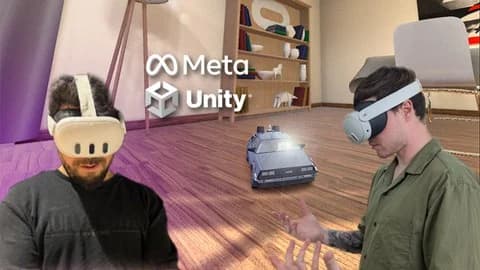
The "Mixed Reality Development Fundamentals" course by Tevfik Ufuk Demirbaş on Udemy is a great starting point for beginners, covering essential Spatial Computing concepts, tools, and development workflows.
Is Spatial Computing hard to learn?▾
Spatial Computing does require a mix of technical skills, including 3D modeling, computer vision, and interactive design. However, with the right training resources and hands-on practice, it is an learnable skill for motivated individuals, especially those with a background in programming, game development, or UI/UX design.
How long to learn Spatial Computing?▾
The time required to become proficient in Spatial Computing can vary greatly depending on your prior experience and the depth of expertise you aim to develop. Most beginners can gain a solid foundational understanding within 3-6 months of dedicated study and practice. Mastering advanced Spatial Computing skills may take 1-2 years of continuous learning and project work.
Spatial Computing salary 2026?▾
As the demand for Spatial Computing expertise continues to rise, professionals with these skills can expect to command 20-30% higher salaries than their counterparts by 2026. Leading roles like Spatial Computing Engineer, AR/VR Developer, and Mixed Reality Designer are projected to have median annual salaries of $90,000 - $120,000 within the next 5 years.
What are the best resources to learn Spatial Computing?▾
In addition to the expert-curated courses on SkillsetCourse.com, aspiring Spatial Computing professionals can benefit from a variety of online tutorials, video lessons, coding challenges, and community forums on platforms like Unity, Unreal Engine, and GitHub. Hands-on project-based learning is also crucial for developing practical skills in this rapidly evolving field.