
Learn Industry 4.0
2 expert-rated courses covering Industry 4.0. Compared by rating, price, difficulty, and job relevance so you can pick the right one.
Industry 4.0 skills are in high demand across manufacturing, engineering, and operations roles, with an average salary premium of 20-30% compared to traditional industrial jobs. Global Industry 4.0 market size is projected to grow at 17.5% CAGR to $310 billion by 2026, making complementary skills in IIoT, automation, and data science increasingly valuable.
Key Facts About Industry 4.0
- 1Industry 4.0 builds on the prior 'industrial revolutions' of mechanization, mass production, and computerization.
- 2Key technologies enabling Industry 4.0 include cyber-physical systems, cloud computing, big data analytics, and advanced robotics.
- 3The goal of Industry 4.0 is to create 'smart factories' with connected machines, real-time data, and self-optimizing processes.
- 4Estimated financial benefits of Industry 4.0 include 18% lower product costs, 12-15% higher productivity, and 10% less machine downtime.
- 5Leading countries in Industry 4.0 adoption include Germany, US, China, Japan, and South Korea.
Available on
Top Industry 4.0 Courses
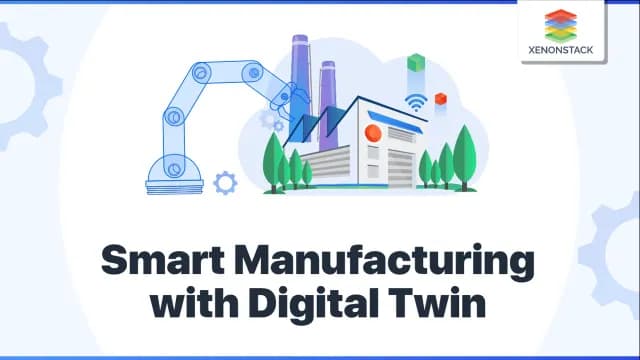
Digital Twins Explained (Digital Twins in Industry 4.0)
Comprehensive course on digital twins for Industry 4.0, covering concepts, implementation, and real-world applications across manufacturing sectors.
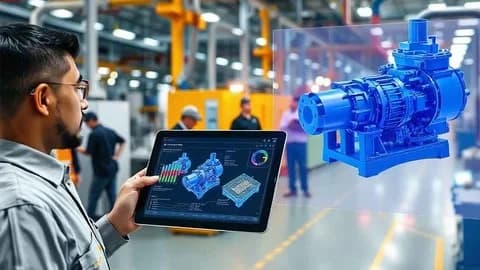
Digital Twin Technology for Smart Manufacturing
Learn digital twin concepts for Industry 4.0, IoT integration, smart manufacturing, and factory automation with hands-on examples.
Pro Tips for Learning Industry 4.0
- #1Start with foundational courses on the core concepts and technologies of Industry 4.0.
- #2Build hands-on experience with IIoT platforms, industrial data analytics, and automation tools.
- #3Gain practical exposure through Industry 4.0 use cases in sectors like automotive, aerospace, and pharmaceuticals.
- #4Develop complementary skills in areas like supply chain management, quality control, and predictive maintenance.
Why Learn Industry 4.0?
- Gain a competitive edge in high-growth manufacturing and industrial roles with in-demand Industry 4.0 expertise.
- Develop the analytical and technical skills to drive digitalization and automation initiatives in your organization.
- Become a key enabler of the shift toward smart, efficient, and sustainable industrial operations.
- Enjoy a significant salary premium compared to traditional manufacturing and operations jobs.